Jinqu specializes in producing mufflers, SCR exhaust gas aftertreatment systems, and air reservoirs


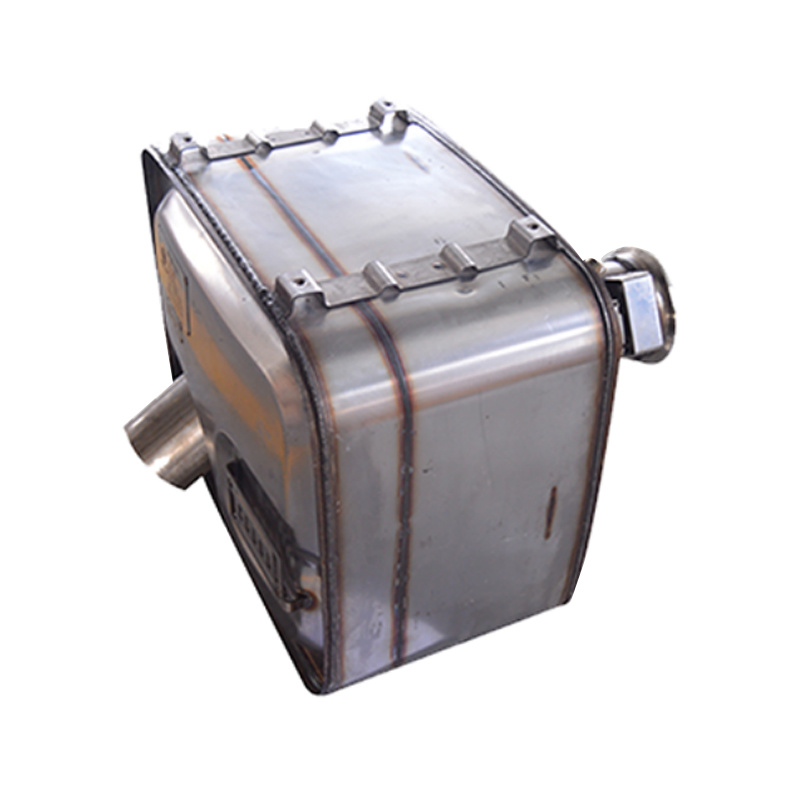
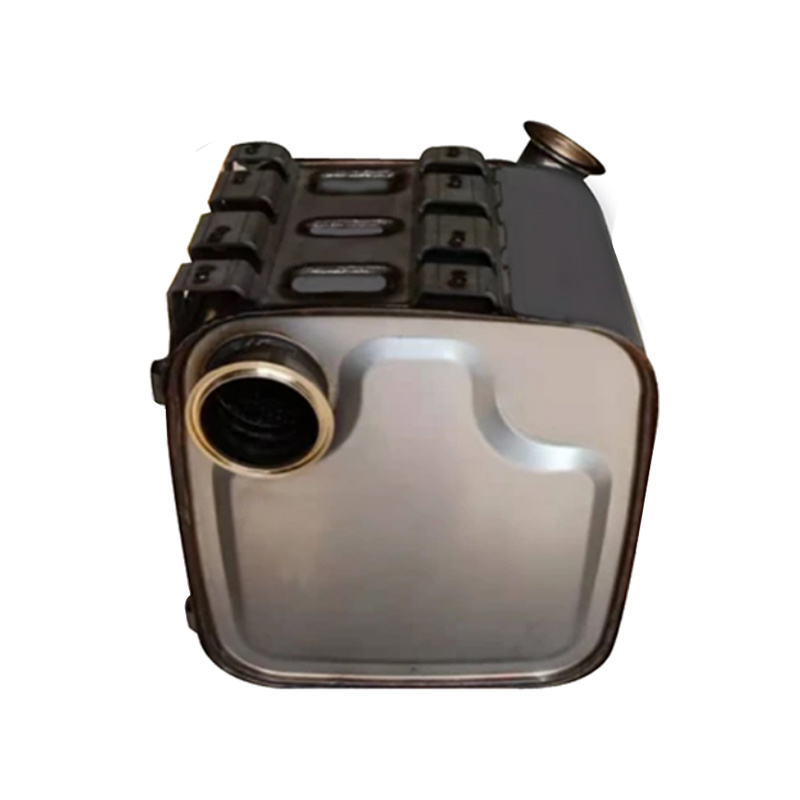
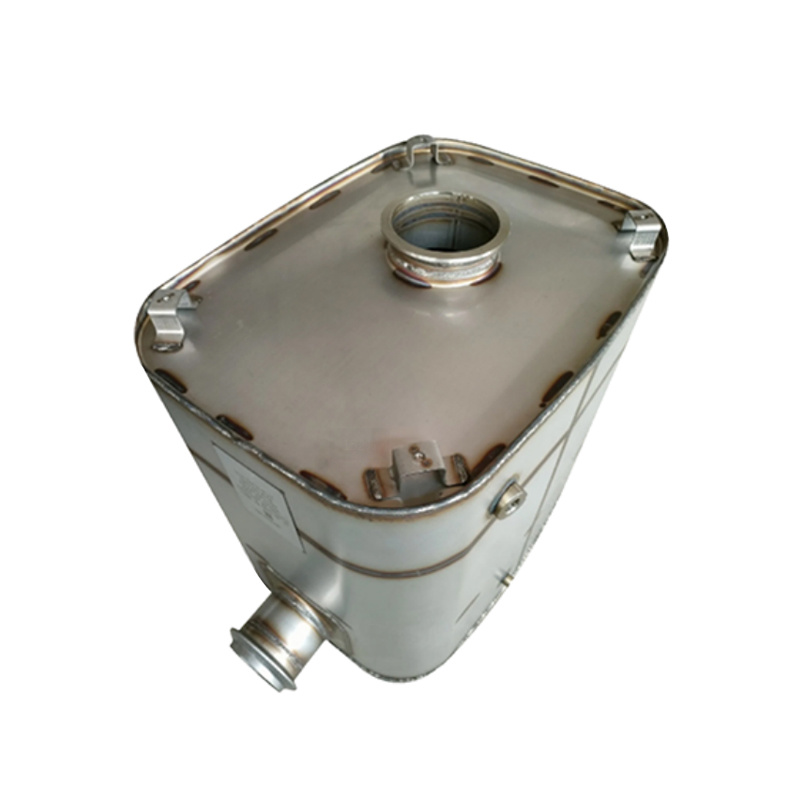
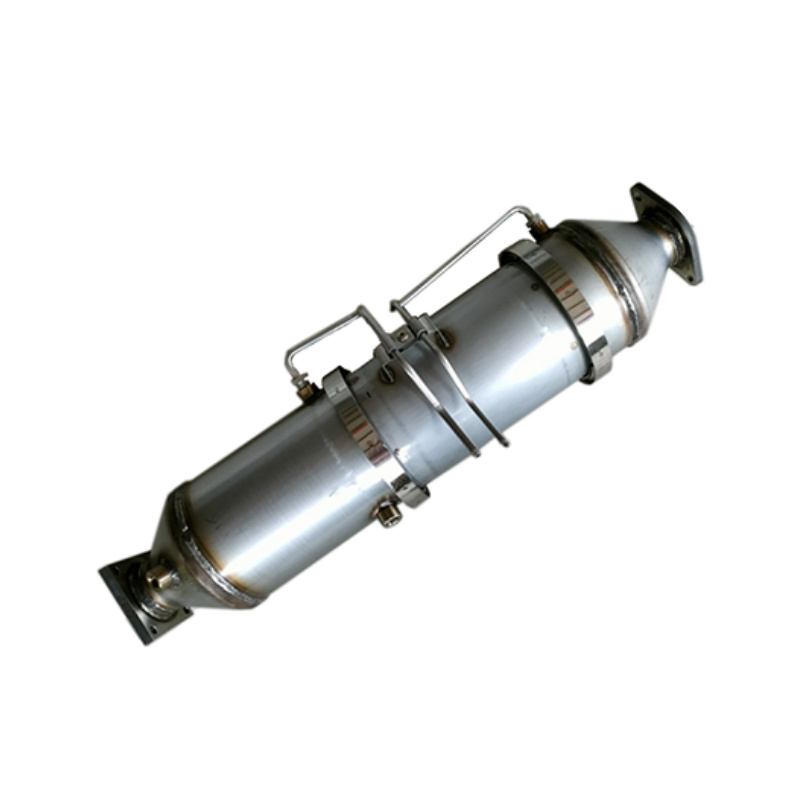
Filter cartridge shell, that is, the outer shell of the filter cartridge, its main functions are as follows:
--Protect the filter cartridge body: Provide physical support and protection for the internal filter material (such as filter paper, filter mesh, etc.), preventing the filter cartridge from being damaged by external forces such as collision and extrusion during installation and use, ensuring that the filter material can function stably.
Isolate dust, impurities, water vapor, etc. in the external environment, preventing these substances from directly entering the equipment without being filtered, and preventing the filter cartridge from being contaminated by the outside world and affecting the filtration effect.
--Form sealing and flow guidance: The shell cooperates with the equipment interface, forming a good seal through sealing rings and other components, preventing the fluid to be filtered (such as air, oil, etc.) from leaking from the gaps, ensuring that all fluids must pass through the filter cartridge before entering the system. Its internal structure design can guide the fluid to flow along a specific path, allowing the fluid to pass through the filter cartridge uniformly, improving the filtration effect, and avoiding excessive local filtration load due to uneven fluid distribution.
--Easy to install and fix: The shell usually has standard installation interfaces (such as threads, buckles, etc.), making it easy to quickly and accurately install the filter cartridge as a whole into the corresponding equipment (such as engines, hydraulic systems, etc.), while ensuring stability after installation and preventing loosening during use.
Key Words
Related Products

Phone/WeChat:+8615033366555 8615383773971 8613832779997
Office telephone:+8615033366555 Whatsapp:8618833759108
E-mail:sales02@jinquqipei.com


Message consultation
Note: Please leave your contact information and our professionals will contact you as soon as possible!