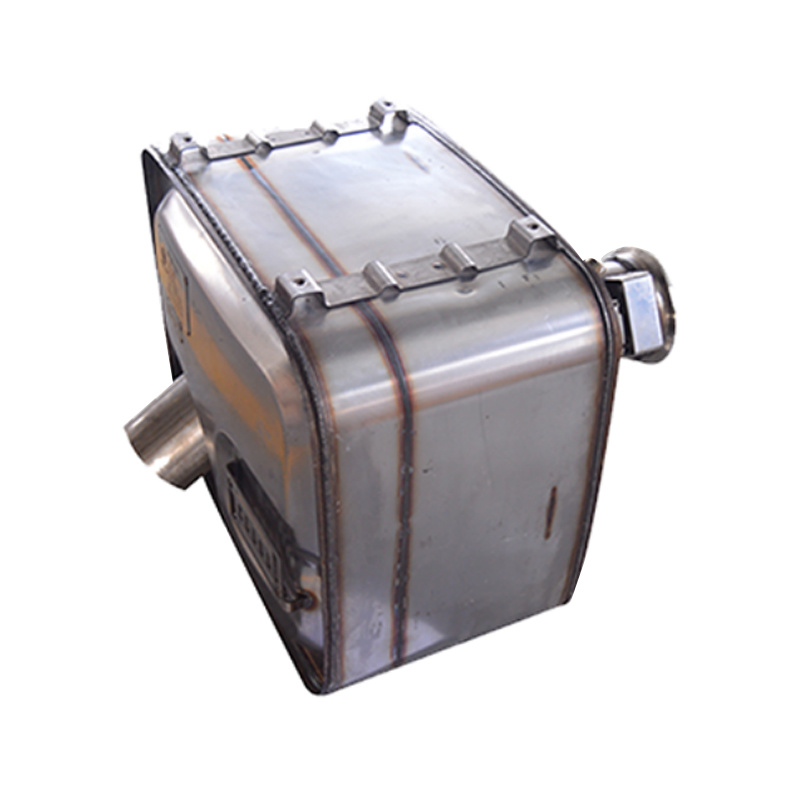
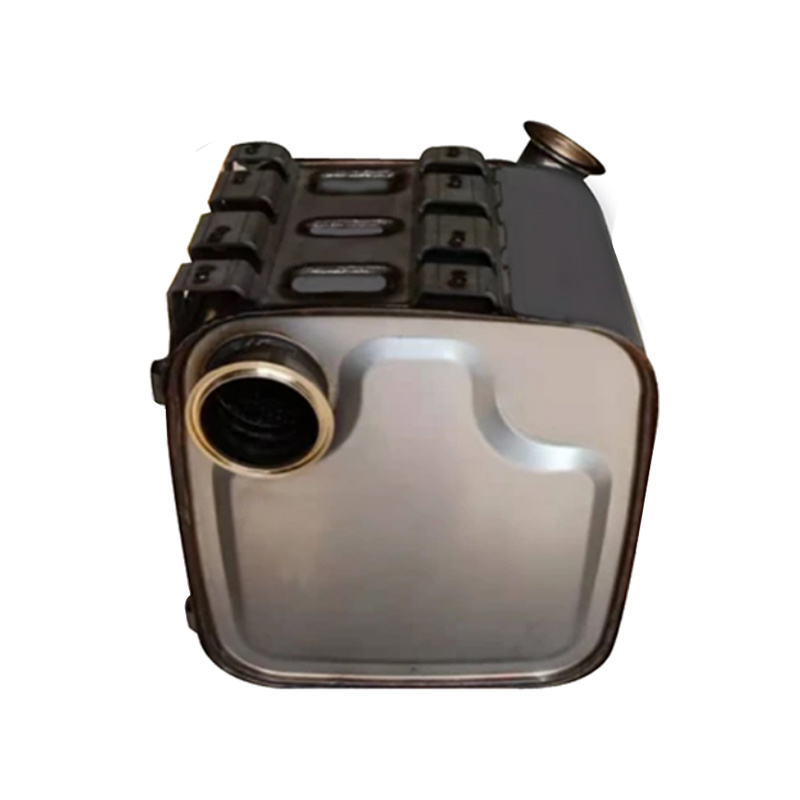
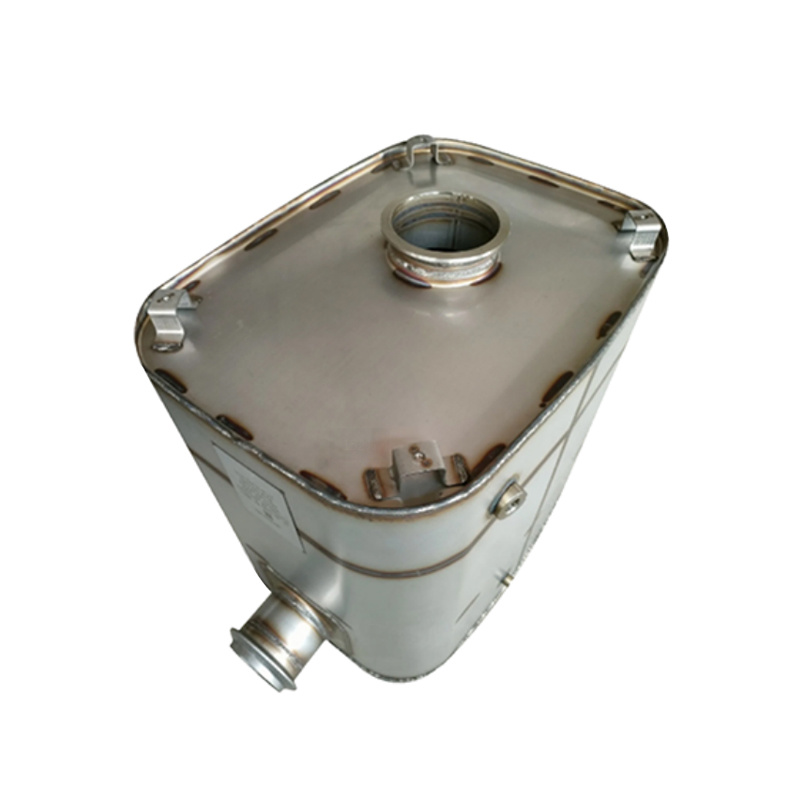
Howo T7 Iron Gas Cylinder
+
  • Howo T7 Iron Gas Cylinder

Howo T7's Core Role : - Storing compressed air As the "air source reservoir" of the pneumatic control system, it stores compressed air that has been processed by an air compressor and dryer, providing a continuous supply of air to systems such as the braking system (service brake, parking brake), clutch booster, and air horns—ensuring the smooth operation of these critical functions.

- Ensuring braking safety: When braking, the compressed air stored in the air reservoir is delivered through pipelines to the brake chambers, pushing the braking components to slow down or bring the vehicle to a stop. Similarly, releasing the parking brake also depends on the air pressure it provides—this is essential for the reliable operation of the entire braking system.

- Stable pressure output: Buffering the air pressure fluctuations generated during the operation of the air compressor ensures a smoother air supply to all pneumatic control components, reducing the impact on pipelines and components caused by sudden pressure changes.

- Additional features brought about by the iron material

- Highly durable: Iron material boasts high strength and excellent resistance to collisions and deformation, making it well-suited to withstand vibrations and impacts encountered in challenging road conditions—especially under heavy loads or in harsh environments, where it is less likely to suffer damage from external forces.

- Moderately priced: Compared to aluminum alloy gas cylinders, iron ones are more cost-effective, allowing automakers to control overall vehicle manufacturing costs while still ensuring basic functionality.

Key Words

Howo T7 Iron Gas Cylinder
+
  • Howo T7 Iron Gas Cylinder

Howo T7 Iron Gas Cylinder

The core functions of the Howo T7 include: - Storing compressed air: Acting as a "gas reservoir" for the pneumatic control system, it stores compressed air that has been processed by the air compressor and dryer. This ensures a continuous supply of air to critical systems such as the braking system (including service and parking brakes), clutch assist mechanisms, and air horns, thereby maintaining the reliable operation of these essential components. - Ensuring braking safety: During braking, the compressed air stored in the air tank is delivered via pipelines to the brake chambers, activating the braking components to slow down or bring the vehicle to a stop. Similarly, releasing the parking brake also depends on the air pressure provided by the tank—making it a cornerstone of the braking system's dependable performance. - Stabilizing air pressure output: By smoothing out fluctuations in air pressure generated during the operation of the air compressor, the tank helps deliver a more consistent and stable airflow to all pneumatic control components, minimizing the risk of damage caused by sudden pressure changes in the system or its parts. - Additional features from the use of iron material: - High durability: Iron boasts superior strength, offering excellent resistance to collisions and deformation. This makes it well-suited to withstand vibrations and impacts encountered in challenging road conditions—particularly beneficial in heavy-load scenarios or harsh environments where external forces could easily compromise other materials. - Moderate cost: Compared to aluminum alloy air tanks, iron tanks are more affordable, allowing manufacturers to maintain essential functionality while keeping overall vehicle production costs under control.


Get Quote

Note: Please leave your contact information and our professionals will contact you as soon as possible!

Submission

Related Products

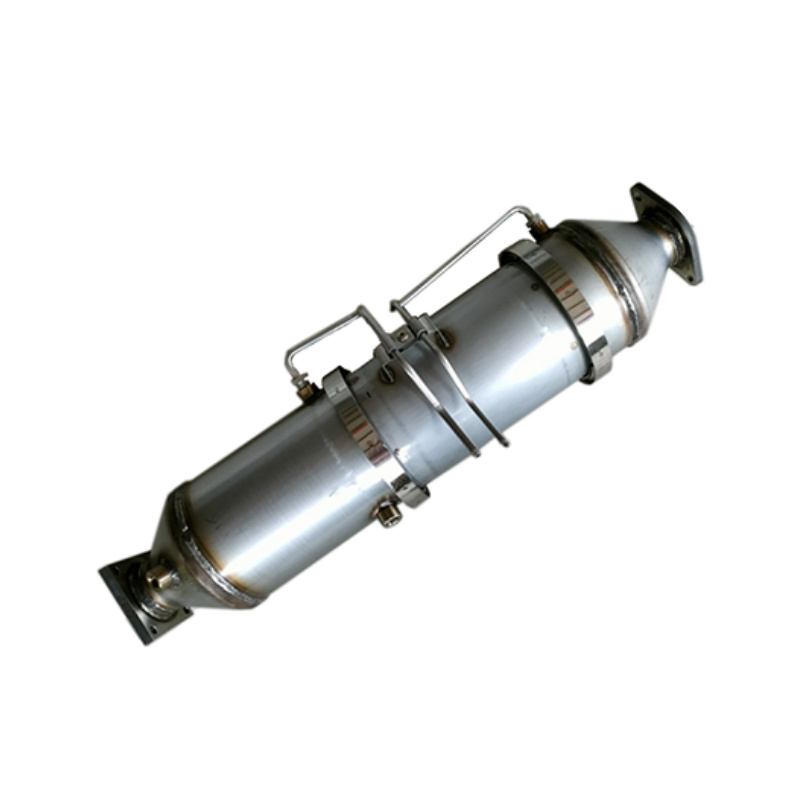
Golden Melody Catalytic Muffler

The Role and Features of Catalytic Mufflers **Role** 1. Noise Reduction: Catalytic mufflers effectively lower the noise generated by engines or other machinery, typically achieving a noise reduction of 30 decibels or more, significantly improving environmental quality. 2. Catalytic Conversion Efficiency: The built-in catalyst facilitates chemical reactions that transform harmful substances in exhaust gases into harmless ones, helping to meet stringent environmental emission standards. 3. Low Airflow Resistance: Designed with optimal airflow dynamics, catalytic mufflers minimize resistance, ensuring minimal impact on engine performance. **Features** 1. High Performance: Leveraging advanced acoustic principles and cutting-edge chemical reaction technologies, catalytic mufflers simultaneously deliver noise reduction and exhaust gas purification. 2. Environmental Friendliness: Thanks to the integrated catalyst, these mufflers reduce the concentration of harmful pollutants in exhaust gases, contributing positively to environmental protection. 3. Durability: Constructed from high-temperature and corrosion-resistant materials, catalytic mufflers boast exceptional longevity and can withstand prolonged use. 4. Versatility: Suitable for a wide range of engines and mechanical equipment, including cars, motorcycles, and construction machinery. 5. Compact Design: With a streamlined and space-efficient design, catalytic mufflers are easy to install even in tight spaces. 6. Easy Maintenance: Regular upkeep is straightforward—simply clean off accumulated carbon deposits and periodically check the catalyst's activity. 7. High Stability: Operating reliably without negatively affecting the performance or functionality of the connected machinery.

< 1234...69 >