Jinqu specializes in producing mufflers, SCR exhaust gas aftertreatment systems, and air reservoirs


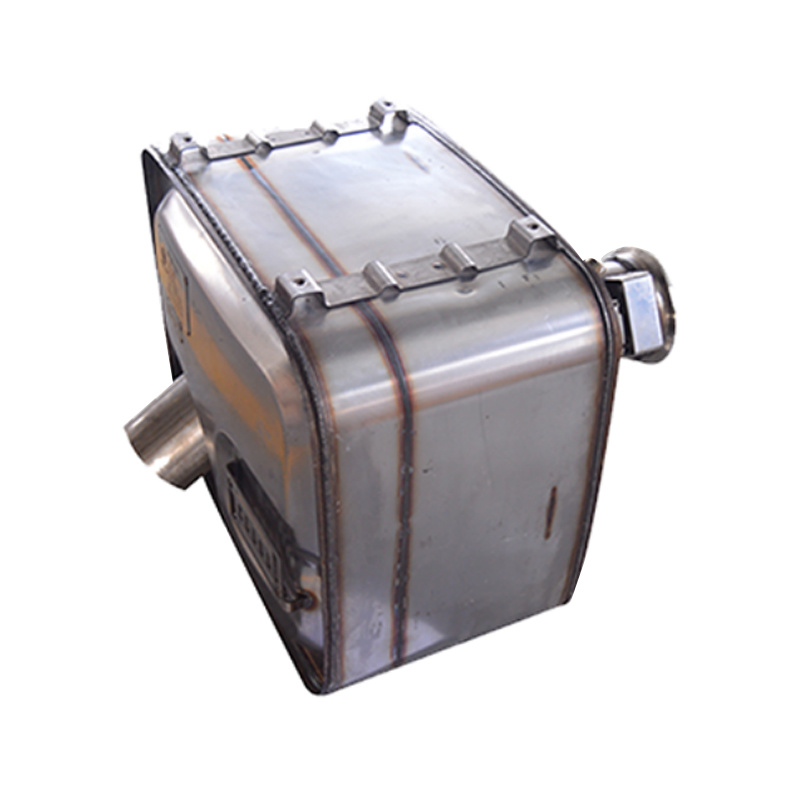
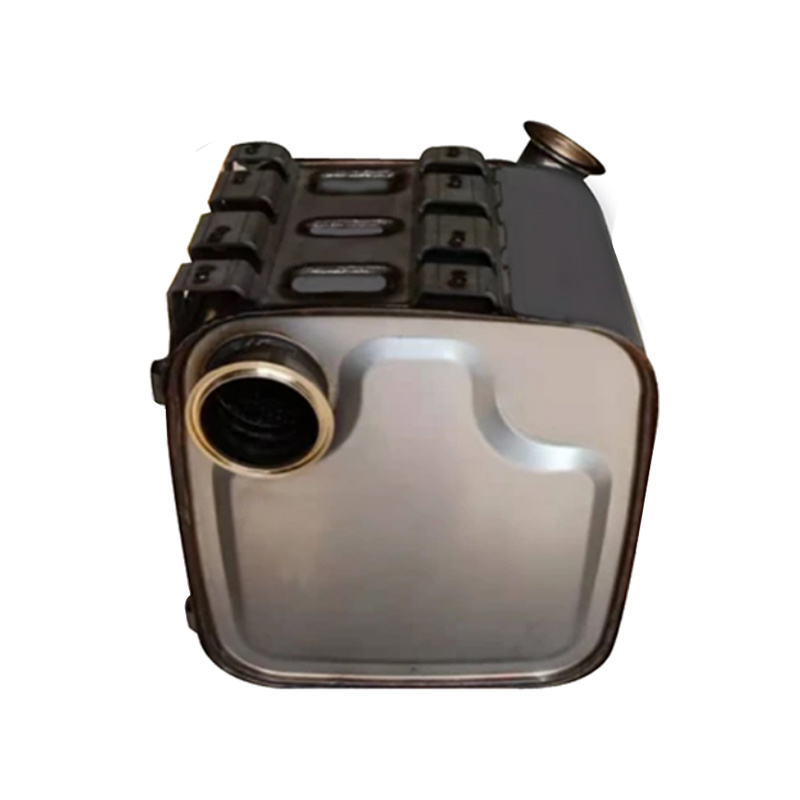
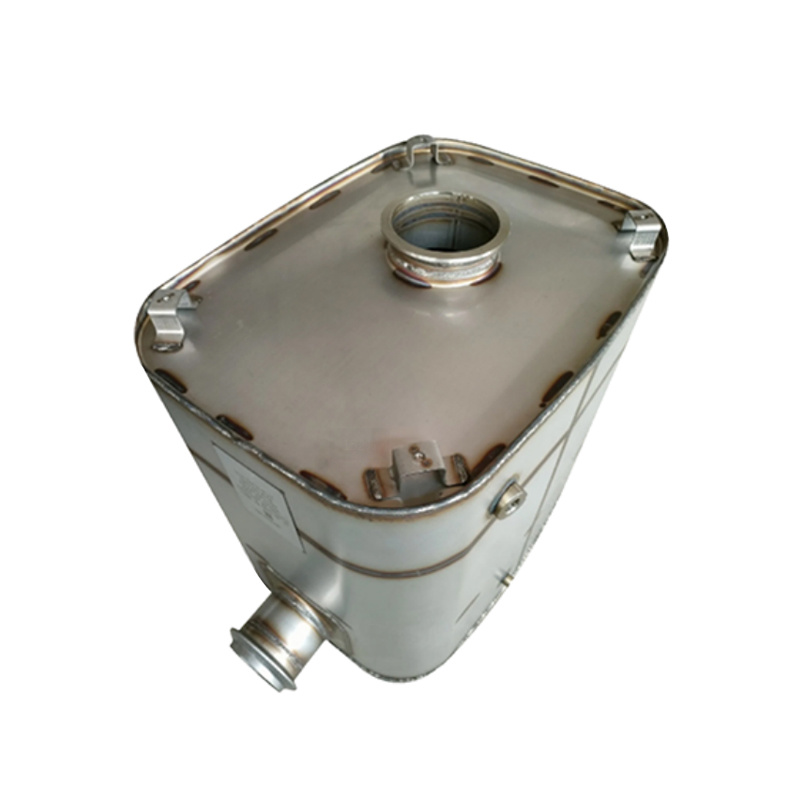
Jinqu Man 6th Single-Unit Iron Gas Cylinder Function
- Storing compressed air: Compressed air generated by the air compressor is first stored in an air receiver tank, providing a stable air supply to vehicle braking systems, pneumatic suspensions, air horns, and other air-powered equipment, ensuring their proper operation. For instance, during vehicle braking, the air receiver tank promptly delivers compressed air at sufficient pressure to the brake chambers, enabling the brake shoes to make contact with the brake drum or disc—thus achieving vehicle deceleration or stopping.
- Stable atmospheric pressure: The air pressure output from the air compressor is unstable, but the air receiver tank can act as a buffer, helping to stabilize the output pressure. It ensures that the air pressure within the system remains within a relatively steady range, preventing excessive fluctuations that could damage pneumatic equipment and ultimately extending the lifespan of the devices.
- Preliminary filtration of impurities and separation of water: Compressed air flowing through the air receiver tank slows down, allowing some impurities like dust and oil residues—as well as a portion of water vapor—to settle at the bottom of the tank due to gravity. This process provides an initial filtration and moisture separation for the compressed air, helping to minimize the impact of contaminants and moisture on components within the air system.
How it works
- Inflation process: When the air compressor is running, ambient air is drawn in, filtered through the air filter, and then compressed inside the compressor. The resulting high-temperature, high-pressure air is routed through piping directly into the air receiver tank. As more air continuously enters the tank, the pressure inside gradually increases. Once the pressure reaches the compressor’s preset upper limit (e.g., around 0.8 MPa), the unloading valve on the compressor automatically opens, causing the unit to idle and stop pumping air into the receiver tank altogether.
- Gas usage process: When the vehicle's air-powered devices—such as the braking system, air horns, and others—require compressed air, the compressed air stored in the air reservoir flows through pipelines to these devices. As the compressed air is used up, the pressure inside the reservoir gradually decreases. Once the pressure drops to the compressor's preset lower limit (e.g., around 0.6 MPa), the unloading valve of the air compressor closes, and the compressor resumes operation, pumping air back into the reservoir to restore the pressure to its normal range.
- Drainage and Maintenance: To ensure the proper functioning of the air receiver tank, it is necessary to periodically drain the tank. Typically, a drain valve is installed at the bottom of the tank; simply opening this valve allows accumulated water, oil, and impurities at the bottom to be discharged, preventing these substances from causing corrosion or blockages in the air system—issues that could otherwise compromise its performance.
Key Words
Man 6 Single-Compartment Iron Gas Cylinder
Contact Us
Classification
Related Products

Phone/WeChat:+8615033366555 8615383773971 8613832779997
Office telephone:+8615033366555 Whatsapp:8618833759108
E-mail:sales02@jinquqipei.com


Message consultation
Note: Please leave your contact information and our professionals will contact you as soon as possible!