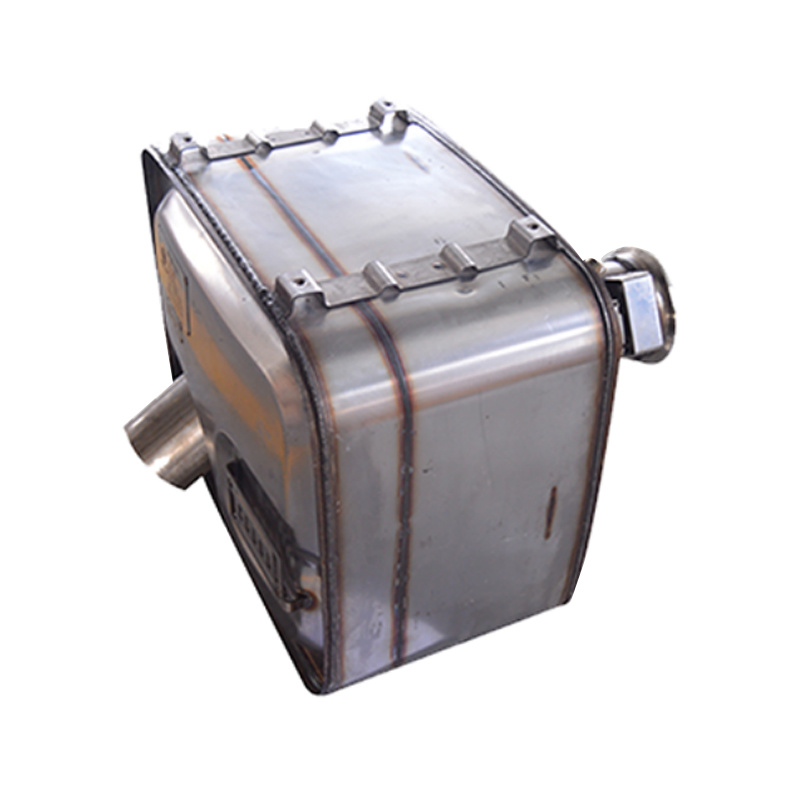
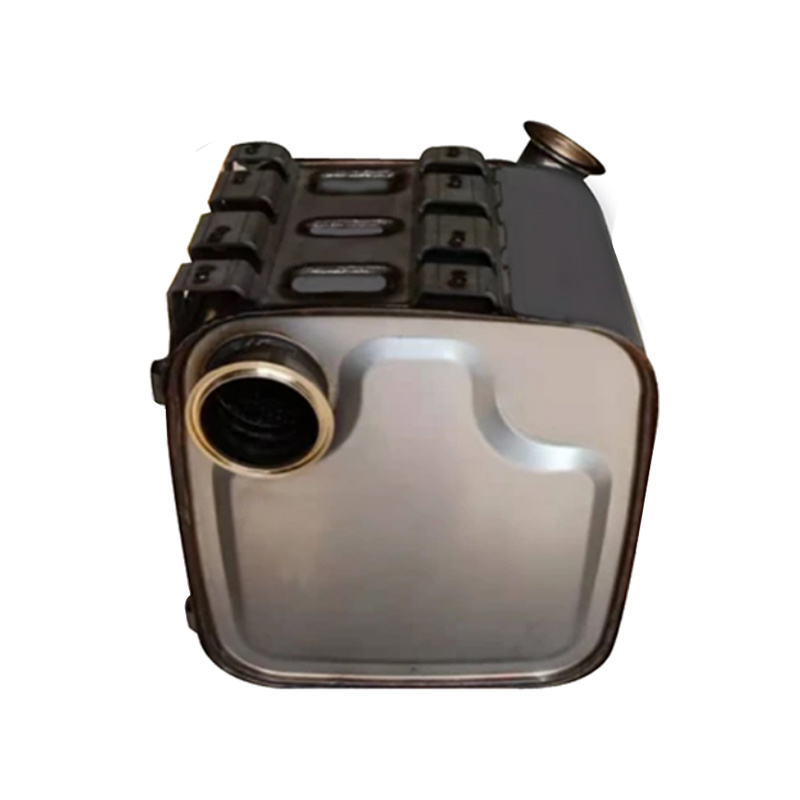
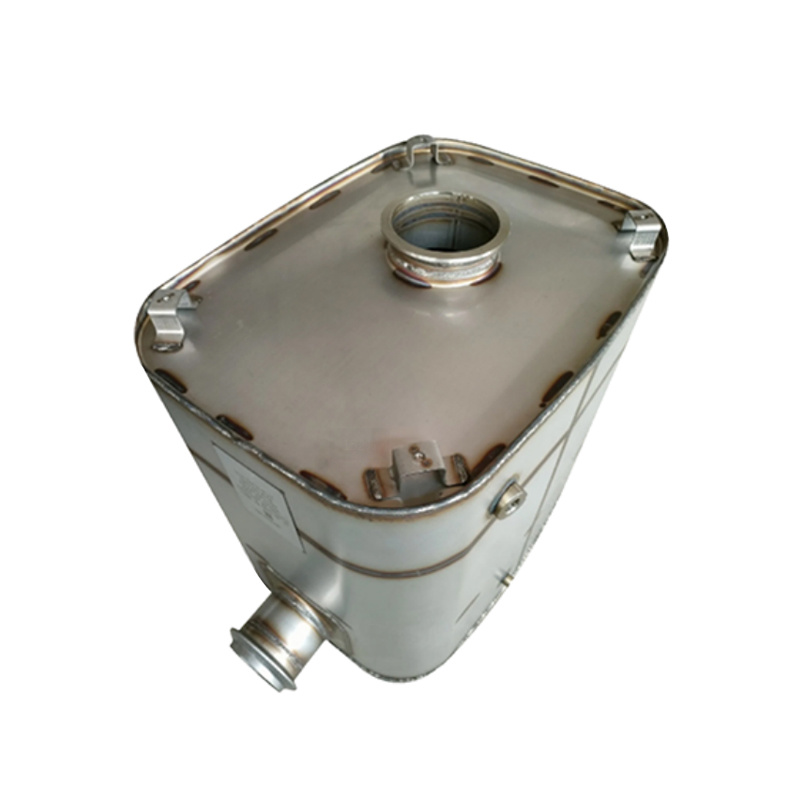
Semi-trailer 4-hole aluminum alloy gas cylinder
+
  • Semi-trailer 4-hole aluminum alloy gas cylinder

Aluminum Alloy Semi-Trailer 4-Port Air Tank In the semi-trailer braking and air systems, the functions and core logic are similar to those of an iron air reservoir, primarily serving these key roles: - Air source storage: Store the compressed air output from the air compressor to provide a stable and continuous air supply for braking components of semi-trailers, such as brake valves, relay valves, and wheel cylinder actuators, as well as other pneumatic devices like air horns and pneumatic door locks, ensuring that all air-powered systems can operate reliably at any time. - Voltage Stabilization Buffer: The compressed air pressure and flow output by the air compressor are unstable. The air receiver tank acts as a "pressure stabilizer," helping to maintain consistent air pressure and ensuring smoother operation of the air consumption system. Additionally, it cushions sudden air surges, protecting pipelines and valve components while extending the lifespan of these parts. - Oil-water separation: Moisture and oil particles in compressed air will settle at the bottom of the air reservoir as the flow rate slows down and the space expands. Regular drainage removes these contaminants, preventing them from entering the brake lines. This process helps avoid rusting and seizing of valve components, ensuring the reliable operation of the braking system. - Emergency Support: When the air compressor malfunctions or there is a sudden, heavy demand for compressed air, the air reservoir can temporarily sustain the operation of critical systems like braking, giving drivers valuable time to handle emergencies and enhancing overall driving safety.

Key Words

Semi-trailer 4-hole aluminum alloy gas cylinder
+
  • Semi-trailer 4-hole aluminum alloy gas cylinder

Semi-trailer 4-hole aluminum alloy gas cylinder

The aluminum alloy semi-trailer 4-hole air reservoir plays a role and operates on similar core principles to its iron counterpart within the trailer's braking and pneumatic systems. Its key functions include: - **Air Source Storage**: It stores compressed air supplied by the air compressor, providing a steady and reliable air supply to critical components such as the trailer’s brake valves, relay valves, wheel cylinder actuators, as well as other pneumatic devices like air horns and pneumatic door locks. This ensures that all air-operated systems remain fully functional at all times. - **Pressure Stabilization and Buffering**: Since the compressed air output from the air compressor can fluctuate in both pressure and flow rate, the reservoir acts as a "pressure stabilizer," smoothing out these variations and maintaining consistent system pressure. Additionally, it helps cushion sudden surges in airflow, protecting the system’s pipelines and valve components, thereby extending their service life. - **Oil and Water Separation**: Moisture and oil contained in the compressed air naturally settle at the bottom of the reservoir due to reduced flow velocity and expanded space. These contaminants are periodically drained off, preventing them from entering the brake lines. By doing so, the system avoids issues like valve corrosion or sticking, ensuring the long-term reliability of the braking system. - **Emergency Backup**: In cases where the air compressor malfunctions or when there is an unexpected surge in air consumption, the stored compressed air in the reservoir can temporarily sustain the operation of critical systems like the brakes. This gives the driver valuable time to address the issue safely, significantly enhancing overall driving safety.


Get Quote

Note: Please leave your contact information and our professionals will contact you as soon as possible!

Submission

Related Products

Golden Melody Catalytic Muffler

The Role and Features of Catalytic Mufflers **Role** 1. Noise Reduction: Catalytic mufflers effectively lower the noise generated by engines or other machinery, typically achieving a noise reduction of 30 decibels or more, significantly improving environmental quality. 2. Catalytic Conversion Efficiency: The built-in catalyst facilitates chemical reactions that transform harmful substances in exhaust gases into harmless ones, helping to meet stringent environmental emission standards. 3. Low Airflow Resistance: Designed with optimal airflow dynamics, catalytic mufflers minimize resistance, ensuring minimal impact on engine performance. **Features** 1. High Performance: Leveraging advanced acoustic principles and cutting-edge chemical reaction technologies, catalytic mufflers simultaneously deliver noise reduction and exhaust gas purification. 2. Environmental Friendliness: Thanks to the integrated catalyst, these mufflers reduce the concentration of harmful pollutants in exhaust gases, contributing positively to environmental protection. 3. Durability: Constructed from high-temperature and corrosion-resistant materials, catalytic mufflers boast exceptional longevity and can withstand prolonged use. 4. Versatility: Suitable for a wide range of engines and mechanical equipment, including cars, motorcycles, and construction machinery. 5. Compact Design: With a streamlined and space-efficient design, catalytic mufflers are easy to install even in tight spaces. 6. Easy Maintenance: Regular upkeep is straightforward—simply clean off accumulated carbon deposits and periodically check the catalyst's activity. 7. High Stability: Operating reliably without negatively affecting the performance or functionality of the connected machinery.

< 1234...69 >