Jinqu specializes in producing mufflers, SCR exhaust gas aftertreatment systems, and air reservoirs


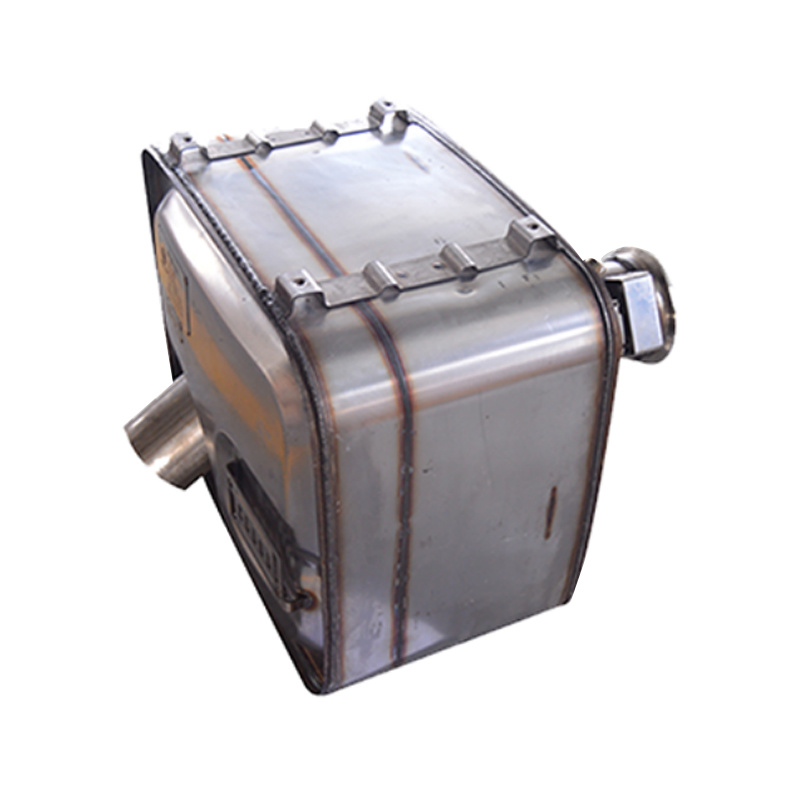
The 382 single-chamber iron gas cylinder is a container designed for storing compressed air, commonly used in applications such as automotive braking systems. Here's a detailed introduction to it:
- Structural features: Typically made from high-strength steel plates, such as Q345 steel. The tank features a cylindrical, single-chamber structure with interfaces like air inlet and outlet ports, designed for connecting components such as air compressors and brake valves. It may also be equipped with additional fittings, including pressure gauge connections and safety valve interfaces, to facilitate monitoring and controlling the internal tank pressure. Furthermore, a drain valve is usually installed at the bottom to allow the removal of accumulated water and impurities from within the tank.
- How it works: The air compressor sends compressed air into the storage tank, where the gas builds up, increasing the pressure and enabling storage. When air-powered devices like the braking system are activated, the compressed air inside the tank flows out through the outlet, supplying power to the equipment. As the gas is released, the pressure inside the tank drops; once it falls below the set level, the air compressor restarts to refill the tank with fresh compressed air.
- Purpose and Application: Its primary function is to store compressed air generated by the air compressor, providing a stable air supply for the vehicle's braking system to ensure reliable brake performance. It can also deliver air to other pneumatic devices onboard, such as the car’s air horn. Additionally, it performs preliminary filtration, pressure stabilization, and cooling of the compressed air, enhancing both air quality and overall system reliability.
Key Words
382 Single-Compartment Iron Gas Cylinder
Contact Us
Classification
Related Products

Phone/WeChat:+8615033366555 8615383773971 8613832779997
Office telephone:+8615033366555 Whatsapp:8618833759108
E-mail:sales02@jinquqipei.com


Message consultation
Note: Please leave your contact information and our professionals will contact you as soon as possible!