Jinqu specializes in producing mufflers, SCR exhaust gas aftertreatment systems, and air reservoirs


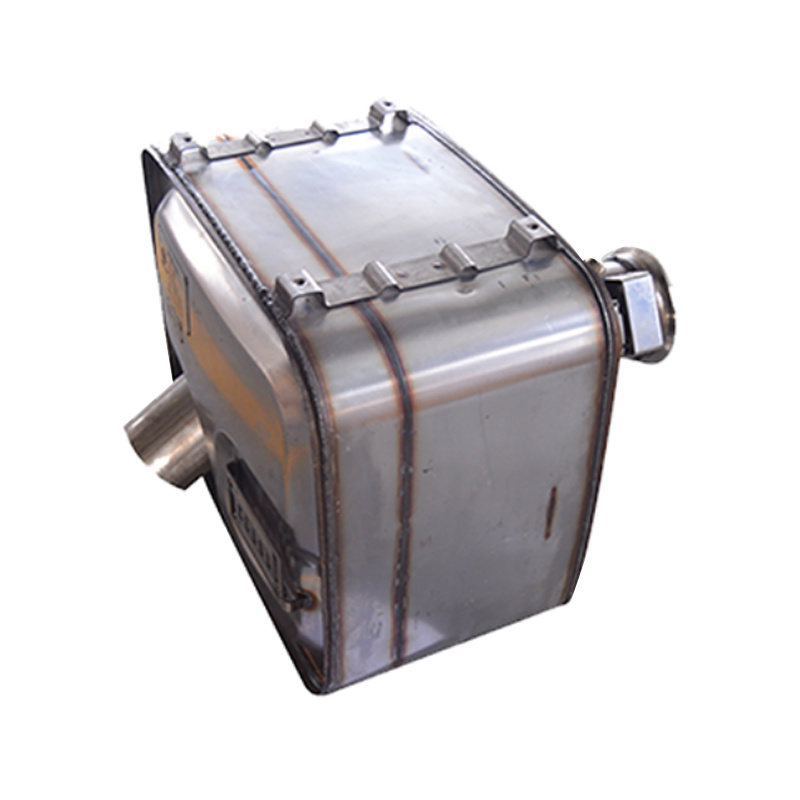
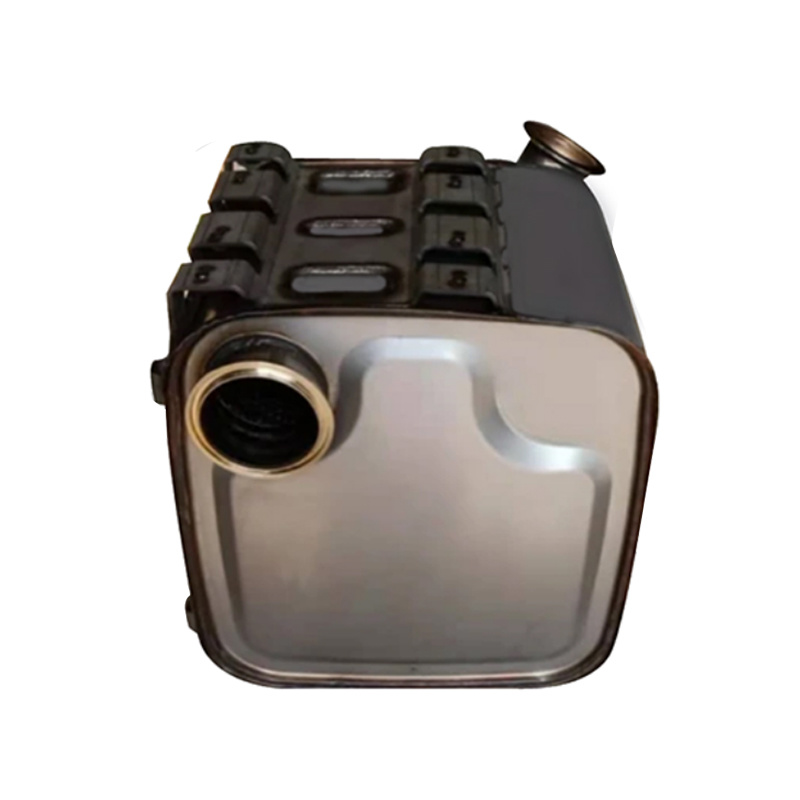
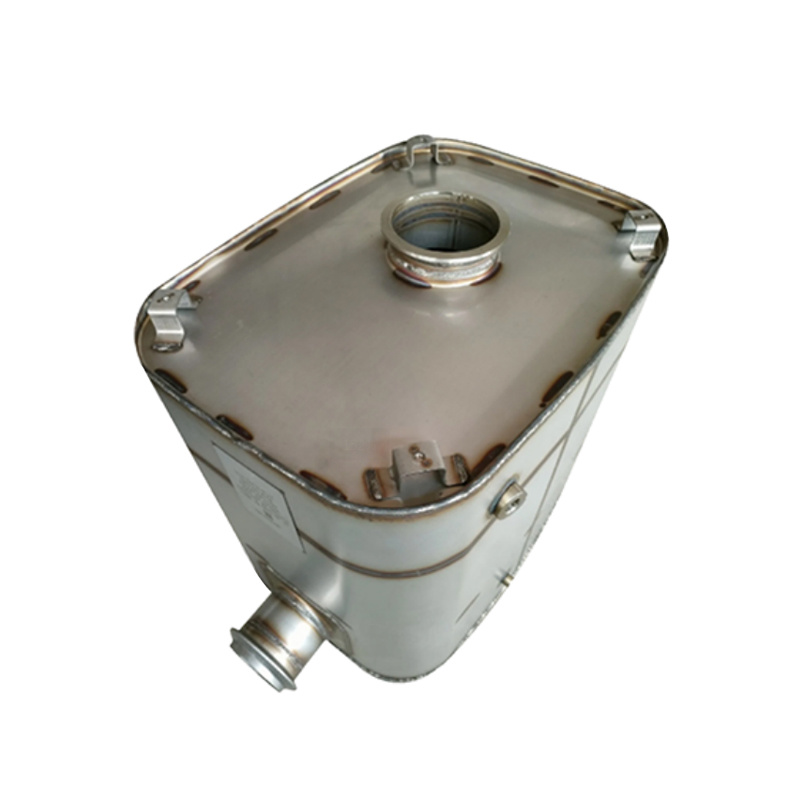
Haval Internal Exhaust Muffler: Technical Analysis and Market Applications
In the heavy‑truck segment, China National Heavy Duty Truck Group’s HOWO series has secured a prominent market position thanks to its outstanding power performance and reliability. As a core component of the exhaust system, the HOWO in‑line muffler not only serves to reduce noise but also directly impacts engine efficiency and compliance with tailpipe emission standards. This paper provides an in‑depth analysis of the technical characteristics and application value of the HOWO in‑line muffler, examining it from three perspectives: technical principles, market fit, and maintenance considerations.
The Howo Noi Bai muffler employs a composite design that combines reactive and resistive noise reduction, with its core principle rooted in the physical mechanisms of sound wave interference and sound absorption by porous materials.
The resistance-type silencing section is achieved through a precisely engineered duct configuration. Inside the muffler, two ducts are arranged with a length difference equal to half the wavelength of the engine’s exhaust sound waves. As the exhaust gases flow through, the phase difference between the two wave trains results in destructive interference, effectively canceling out high-frequency noise energy. For example, on the HOWO T7H model, the length difference of the muffler’s ducts is accurately maintained at 12.7 centimeters, corresponding to half the wavelength of the exhaust sound waves from its inline-six engine, thereby reducing noise in the 1,200–3,000 Hz frequency range by 15–20 decibels.
The resistive silencing section relies on porous sound-absorbing materials. The inner walls of the silencer are lined with glass fiber wool up to 50 mm thick, with a porosity exceeding 90%. When sound waves enter the material, air molecules frictionally interact with the fiber surfaces, converting acoustic energy into thermal energy and dissipating it. Measured data indicate that this design can achieve a noise reduction of more than 25 dB in the mid‑to‑high frequency range (2,000–5,000 Hz), significantly mitigating low‑frequency rumble inside the cab.
This composite design is particularly prominent in the muffler upgrade for HOWO China‑V‑compliant vehicles. In response to the stringent NOx emission limits under the China‑V standard, an additional urea‑injection mixing chamber has been incorporated into the muffler. By optimizing the airflow path, this design ensures thorough mixing of the urea solution with the exhaust gases, thereby maintaining SCR system efficiency while mitigating the backpressure increase that often arises in conventional mufflers due to their complex architecture.
Key Words
Haval internal exhaust muffler
Contact Us
Classification
Related Products

Phone/WeChat:+8615033366555 8615383773971 8613832779997
Office telephone:+8615033366555 Whatsapp:8618833759108
E-mail:sales02@jinquqipei.com


Message consultation
Note: Please leave your contact information and our professionals will contact you as soon as possible!