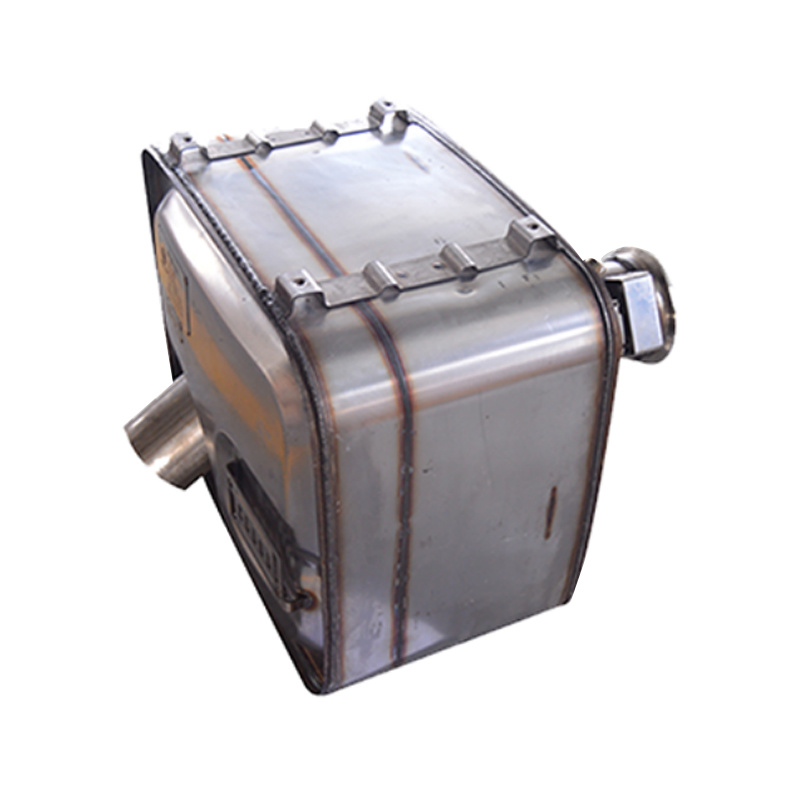
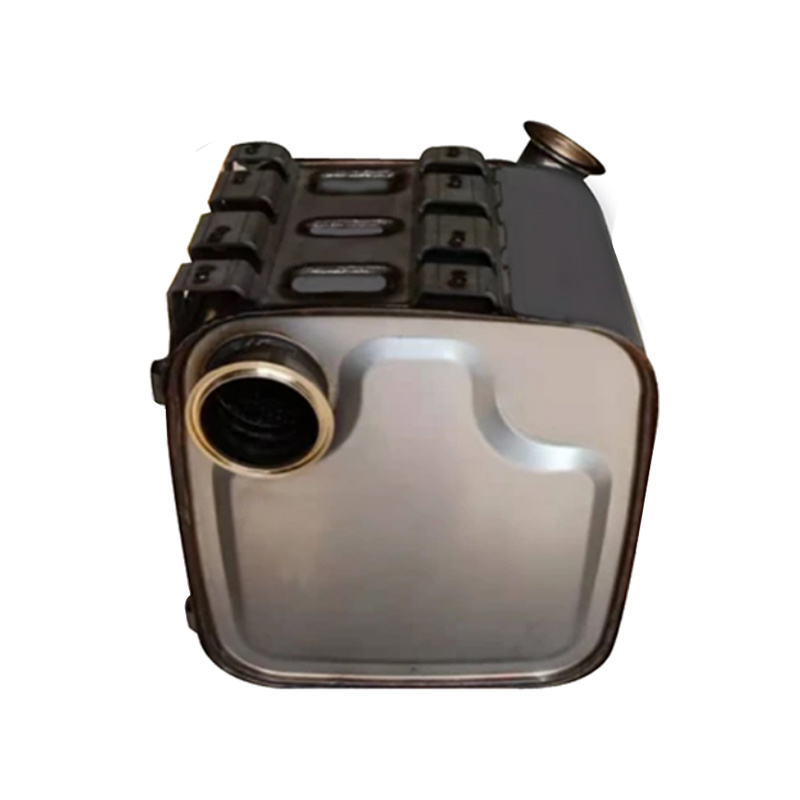
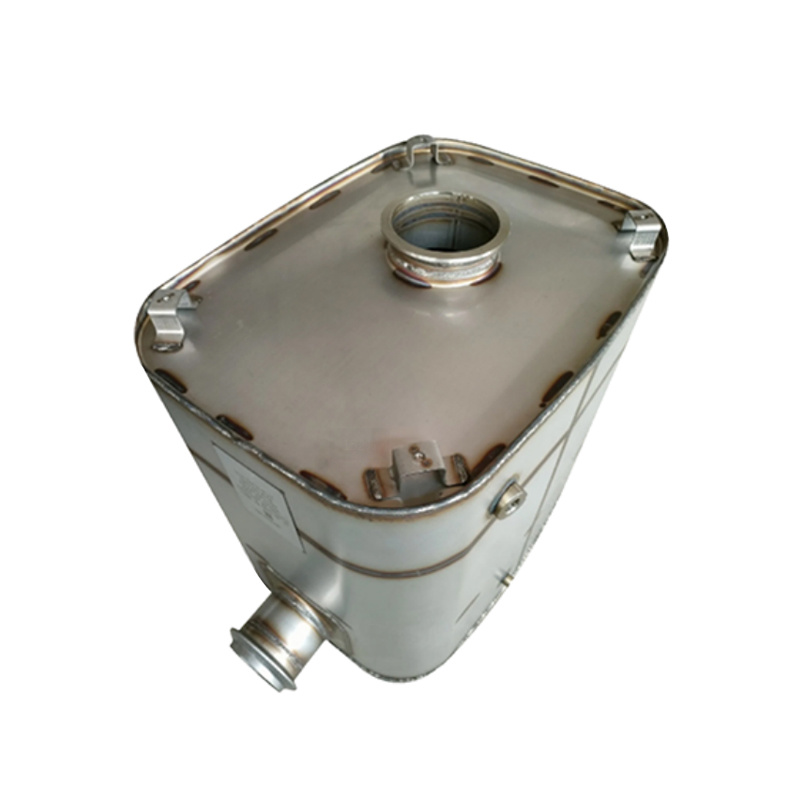
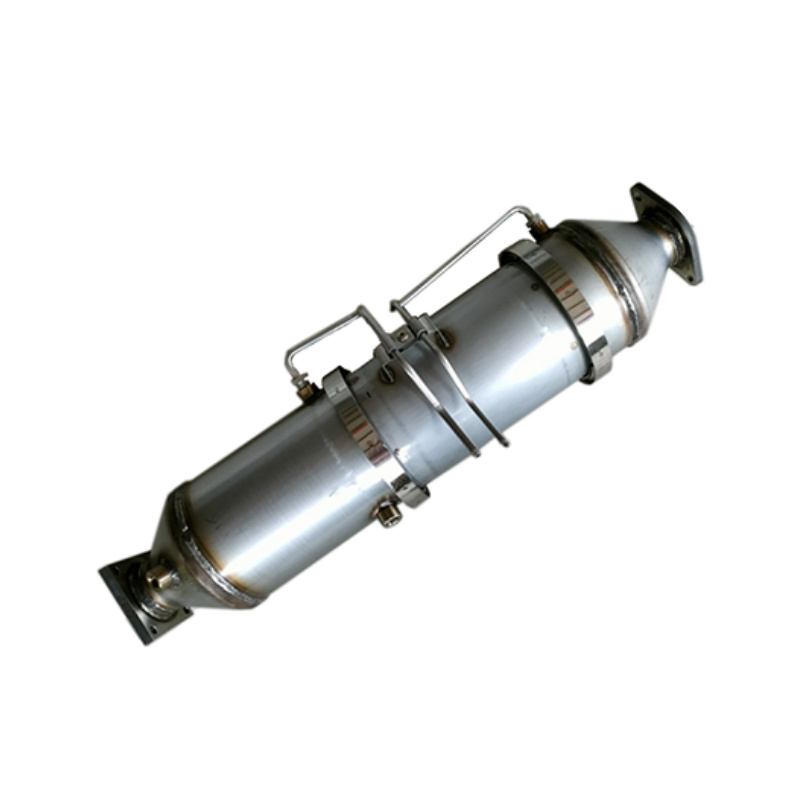
Gelfa Small Iron Gas Cylinder
+
  • Gelfa Small Iron Gas Cylinder

Cangzhou Jinqu Ge'er Childhood Friend – Iron Gas Cylinder

The functions and applications are mainly in the following aspects:
- Storing compressed air : The air reservoir tank is used to store the gas compressed by the air compressor, providing a stable air supply for systems such as the vehicle's braking system and horn system, ensuring these systems have sufficient air volume to operate properly.
- Voltage stabilization When air is pumped into the vehicle via the air compressor, the up-and-down movement of the compressor's piston causes the compressed air flowing into the vehicle's air system to become highly unstable. The air receiver tank helps stabilize this fluctuating airflow, ensuring a consistent pressure supply for the pneumatic system.
- Filtration and Wastewater Disposal : Impurities such as moisture, dust, and oil contained in compressed air will settle as the air passes through the air receiver. A drain valve is installed at the bottom of the receiver to easily remove these contaminants, ensuring the smooth operation of air-consuming equipment like the braking system.
- Cooling down The outside air is drawn into the air compressor, where it gets compressed, causing its volume to decrease while generating some heat. The air receiver tank helps cool down the compressed air, increasing its density and allowing more air to be stored—plus, this process also facilitates the settling of moisture.
- Absorbing shock and vibration : The air reservoir typically contains a shock absorber or other cushioning components to absorb the impacts and vibrations generated by the braking system, thereby protecting other parts from damage.

Key Words

Gelfa Small Iron Gas Cylinder
+
  • Gelfa Small Iron Gas Cylinder

Gelfa Small Iron Gas Cylinder

Cangzhou Jinqu Ge'er's childhood friend—Tie Chuciqitong serves several key functions and applications: - **Storing Compressed Air**: The air receiver tank is designed to store the compressed air generated by the air compressor, providing a steady supply of air for critical systems such as the vehicle’s braking system and horn system. This ensures that these systems have sufficient air pressure to operate reliably. - **Pressure Stabilization**: When air is pumped into the vehicle via the air compressor, the up-and-down motion of the compressor’s piston creates highly unstable compressed air flow. The air receiver tank helps stabilize this fluctuating airflow, maintaining consistent pressure within the pneumatic system. - **Filtration and Drainage**: Compressed air often contains impurities like moisture, dust, and oil. As the air passes through the air receiver tank, these contaminants settle at the bottom. The tank is equipped with a drain valve at its base, allowing easy removal of these impurities and ensuring the smooth operation of air-powered equipment, such as the braking system. - **Cooling**: Ambient air drawn into the compressor undergoes compression, causing its volume to decrease significantly while generating heat. The air receiver tank plays a crucial role in cooling the compressed air, increasing its density and enabling it to store more air efficiently. Additionally, cooling helps facilitate the condensation and separation of moisture from the air. - **Shock and Vibration Absorption**: The interior of the air receiver tank is typically fitted with shock absorbers or other cushioning components, which help mitigate the impact and vibrations produced by the braking system. This protects sensitive components from damage and enhances the overall durability of the system.


Get Quote

Note: Please leave your contact information and our professionals will contact you as soon as possible!

Submission

Related Products

Golden Melody Catalytic Muffler

The Role and Features of Catalytic Mufflers **Role** 1. Noise Reduction: Catalytic mufflers effectively lower the noise generated by engines or other machinery, typically achieving a noise reduction of 30 decibels or more, significantly improving environmental quality. 2. Catalytic Conversion Efficiency: The built-in catalyst facilitates chemical reactions that transform harmful substances in exhaust gases into harmless ones, helping to meet stringent environmental emission standards. 3. Low Airflow Resistance: Designed with optimal airflow dynamics, catalytic mufflers minimize resistance, ensuring minimal impact on engine performance. **Features** 1. High Performance: Leveraging advanced acoustic principles and cutting-edge chemical reaction technologies, catalytic mufflers simultaneously deliver noise reduction and exhaust gas purification. 2. Environmental Friendliness: Thanks to the integrated catalyst, these mufflers reduce the concentration of harmful pollutants in exhaust gases, contributing positively to environmental protection. 3. Durability: Constructed from high-temperature and corrosion-resistant materials, catalytic mufflers boast exceptional longevity and can withstand prolonged use. 4. Versatility: Suitable for a wide range of engines and mechanical equipment, including cars, motorcycles, and construction machinery. 5. Compact Design: With a streamlined and space-efficient design, catalytic mufflers are easy to install even in tight spaces. 6. Easy Maintenance: Regular upkeep is straightforward—simply clean off accumulated carbon deposits and periodically check the catalyst's activity. 7. High Stability: Operating reliably without negatively affecting the performance or functionality of the connected machinery.

< 1234...69 >