Product Center

All
  • All
  • Product Management

0201AA0 Aluminum Alloy Gas Cylinder

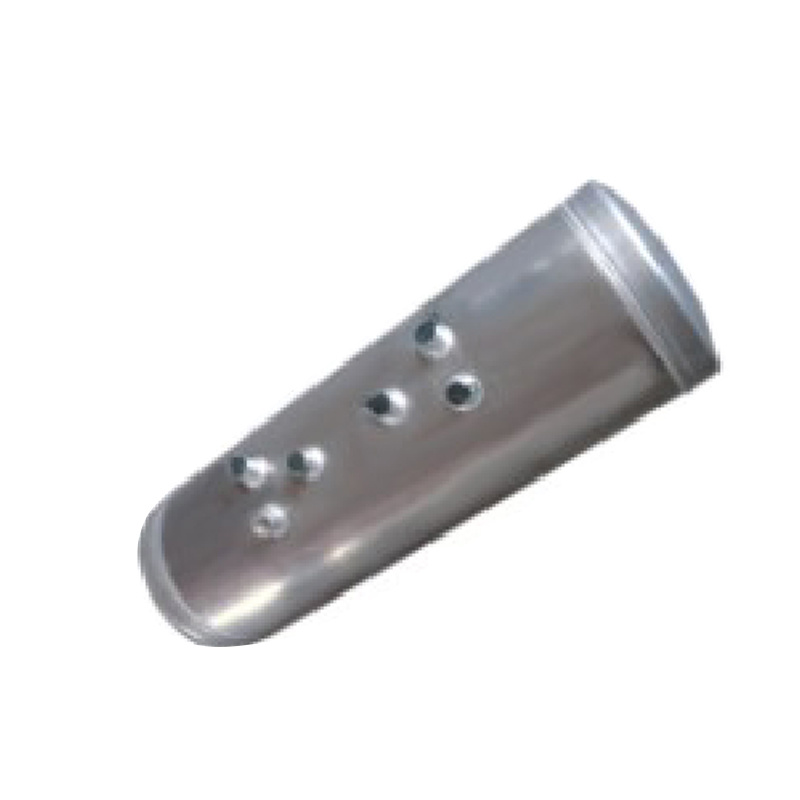
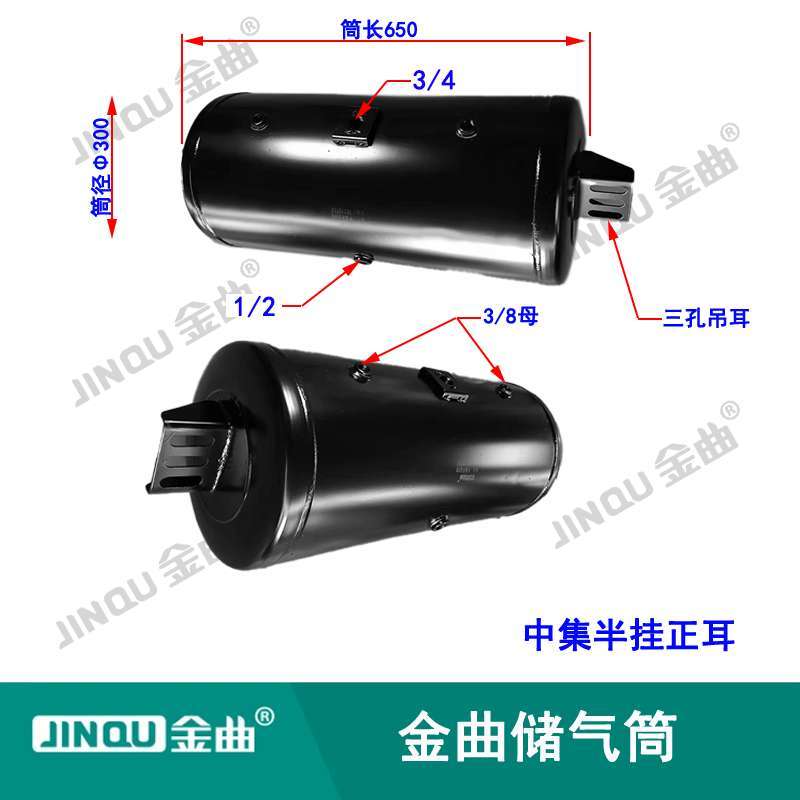
Aluminum alloy gas cylinders are gas storage devices whose material thickness is determined based on the rated working pressure and volume, primarily used for storing high-pressure gases.

Small Tianlong Aluminum Alloy Gas Cylinder

Compared to traditional iron gas cylinders, aluminum alloy gas cylinders are significantly lighter in weight, making them much more convenient to handle during transportation and installation.

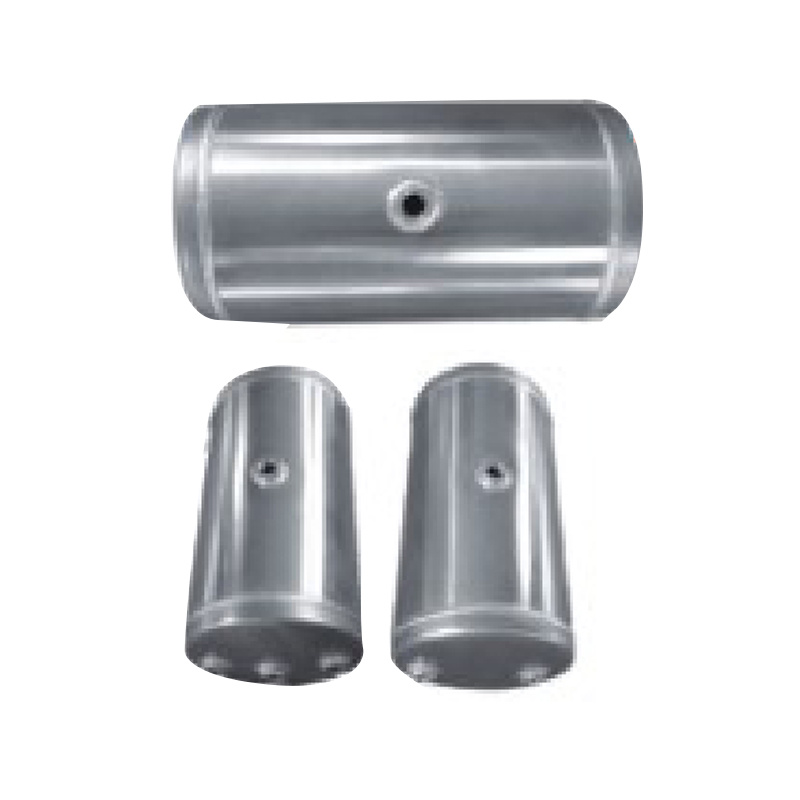
3513010-DY799 Aluminum Alloy Gas Storage Cylinder
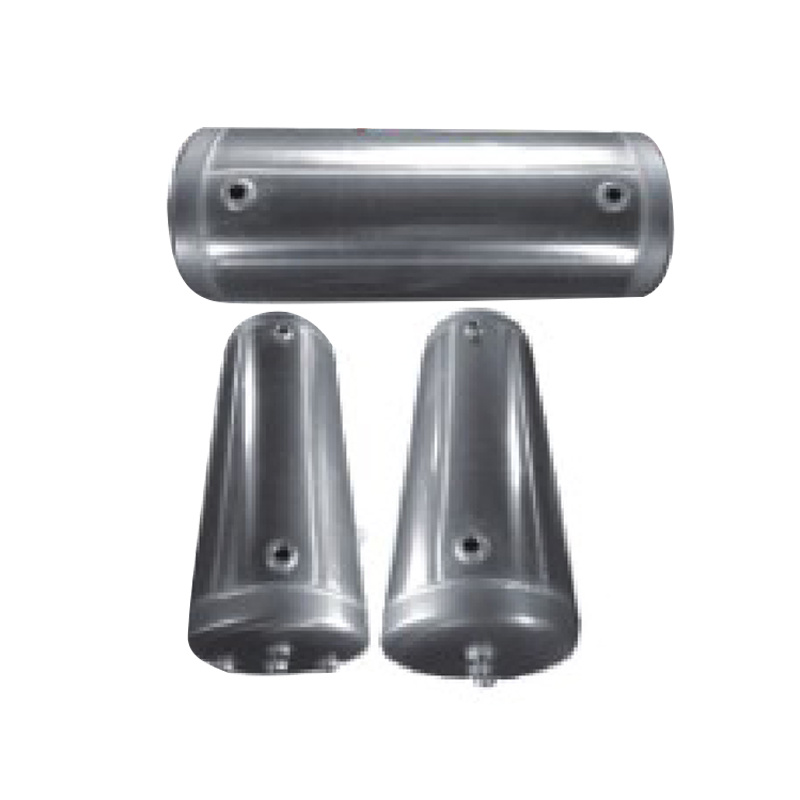
Aluminum alloy air reservoirs are critical components in automotive braking systems, storing compressed air generated by the air compressor to supply power to systems such as braking and the horn.

FAW Series 9803-600 Dual-Aluminum Alloy Gas Cylinder
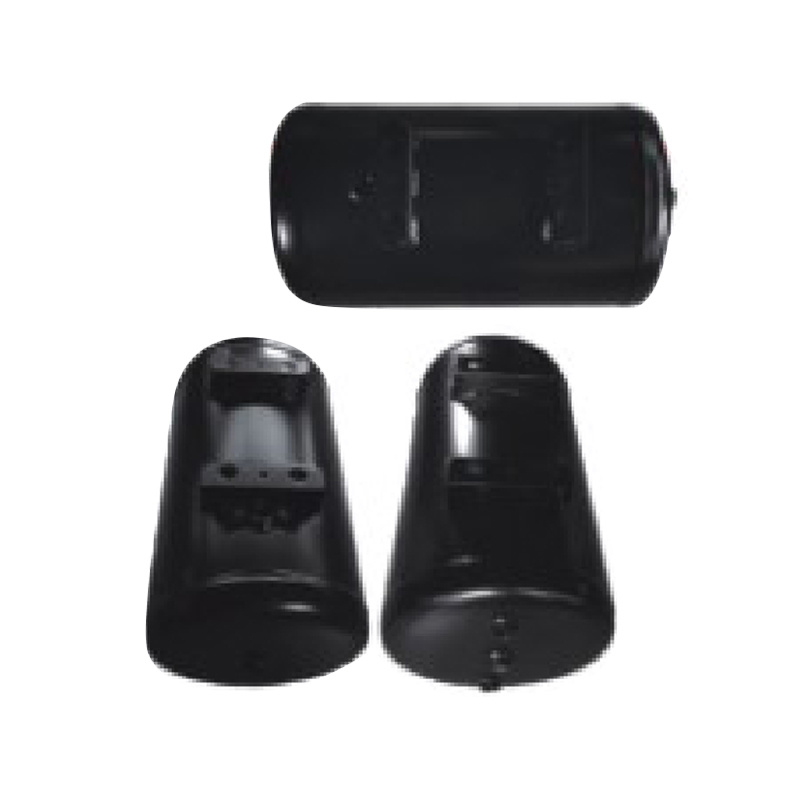
Aluminum alloy gas cylinders are also used in refrigerated trucks, providing a stable gaseous environment for the transportation and preservation of frozen goods.

FAW Series 151 Small - 10 Holes

Iron materials have high strength and toughness

460-gallon fuel tank

Fuel Tank - 37.5-500 kVA - 460 Function: If it’s a hydraulic oil tank, its primary role is to store hydraulic oil, providing a continuous and stable supply of fluid to the vehicle’s hydraulic system, ensuring proper operation. At the same time, it also helps dissipate heat, settle impurities, and separate air bubbles from the oil—functions that enhance the efficiency and reliability of the hydraulic system while extending the service life of hydraulic components. Applications: This type of tank may be used in the hydraulic systems of large commercial vehicles, construction machinery, and other heavy-duty equipment, supplying hydraulic power to systems such as steering, braking, and suspension. For instance, in the hydraulic power steering systems of certain heavy-duty trucks, the oil tank provides hydraulic fluid to the steering assist pump, enabling drivers to maneuver the steering wheel with ease. Usage: In the automotive industry, these tanks might find application in high-end or specialized vehicles, such as large buses or off-road recreational vehicles, where the hydraulic systems require substantial oil capacity and elevated operating pressures to maintain optimal performance. Additionally, similar-sized tanks could also be employed in industrial vehicles and specialized mechanical equipment designed for demanding tasks.

Fuel tank 590

Fuel Tank – 167-KVA-590 I. Core Functions 1. Fuel Storage: This is the fundamental function of the fuel tank. Its capacity varies depending on the vehicle model, directly determining the vehicle’s cruising range. 2. Stable Fuel Supply: Equipped with either an internal or external fuel pump, the tank filters the fuel and delivers it continuously and reliably to the engine’s combustion chamber, ensuring adequate fuel supply under various operating conditions—such as idling, acceleration, and high-speed driving. 3. Protective and Auxiliary Features: - Heat Dissipation: The tank’s outer casing and ventilation system help dissipate heat generated during fuel circulation, preventing excessive oil temperatures that could impair fuel performance. - Sediment Filtration: Some tanks feature a sediment collection area at the bottom, allowing impurities like dust and moisture to settle, thereby reducing wear on the fuel pump and injectors. - Leak and Explosion Protection: Constructed from oil-resistant and corrosion-proof materials (such as engineering plastics or steel plates), certain models are also fitted with explosion-proof valves and wave-damping baffles to minimize fuel movement, enhancing overall operational stability.

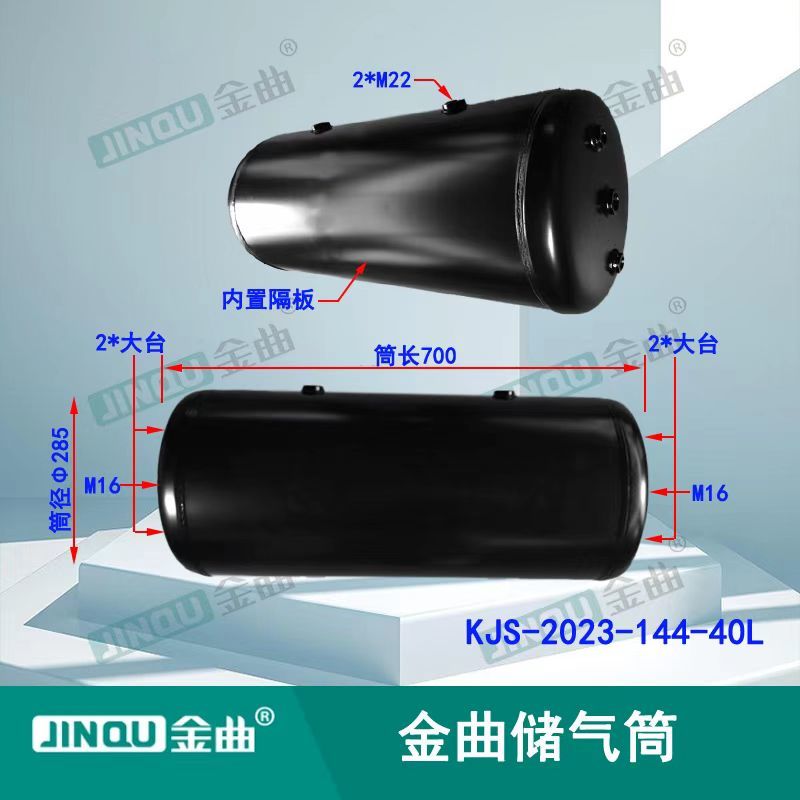
2023-144-40L - Iron Gas Cylinder

The 2023-144-40L iron air receiver tank serves similar functions, purposes, and applications as a typical iron air receiver tank: - **Energy Storage**: It stores a certain amount of compressed air, which can be quickly released when pneumatic equipment demands high gas output, thereby reducing the need for frequent compressor starts. This not only extends the compressor's lifespan but also lowers energy consumption. - **Pressure Stabilization**: By buffering pressure fluctuations in the compressed air system, the tank helps maintain a steady system pressure, ensuring smooth operation of connected pneumatic devices. - **Cooling and Moisture Removal**: After compressed air enters the tank, its temperature drops, causing moisture to condense into water droplets that settle at the bottom. Regular draining of this accumulated water improves the quality of the compressed air. - **Noise Reduction**: The tank also provides some sound insulation, helping to minimize noise pollution from the compressed air system. **Applications**: - **Industrial Sector**: Supplies stable compressed air to various pneumatic devices, such as pneumatic tools in machinery manufacturing, jet looms in the textile industry, and filling machines in the food industry. It’s also widely used in pneumatic conveying systems and automated control applications. - **Automotive Industry**: Stores compressed air to power critical systems like automotive braking systems, pneumatic seat adjustments, and air-powered doors and windows, ensuring reliable performance of these components. - **Other Fields**: In agricultural production, it serves as a power source for farming machinery; in shipbuilding and marine engineering, it acts as an energy storage device; and in aerospace, it is used to store essential gases like oxygen, nitrogen, and compressed air required for aircraft and spacecraft operations.

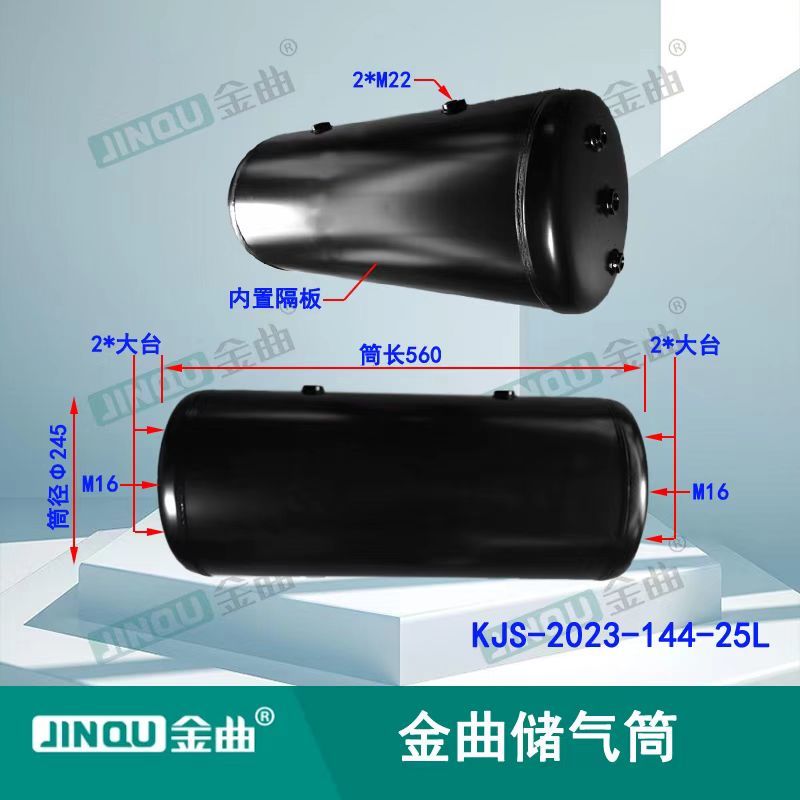
2023-144-25L - Iron Gas Cylinder

The 2023-144-25L iron air receiver tank serves similar functions, purposes, and applications as typical iron air receivers: - **Energy Storage**: It stores a certain amount of compressed air, which can be quickly released when pneumatic equipment demands high gas flow, thereby reducing the need for frequent compressor starts. This not only extends the compressor's lifespan but also lowers energy consumption. - **Pressure Stabilization**: By cushioning pressure fluctuations in the compressed air system, the tank helps maintain a steady system pressure, ensuring smooth operation of connected pneumatic devices. - **Cooling and Moisture Removal**: After compressed air enters the tank, its temperature drops, causing moisture to condense into water droplets that settle at the bottom. Regular draining of this accumulated water improves the quality of the compressed air. - **Noise Reduction**: The tank also provides some sound insulation, helping to minimize noise pollution from the compressed air system. **Applications**: - **Industrial Sector**: Supplies stable compressed air to various pneumatic devices, such as pneumatic tools in machinery manufacturing, jet looms in the textile industry, and filling machines in the food industry. It’s also widely used in scenarios like pneumatic conveying and automated control systems. - **Automotive Industry**: Stores compressed air to power critical systems in vehicles, including braking systems, pneumatic seat adjustments, and air-operated doors and windows, ensuring reliable performance of these components. - **Other Fields**: In agricultural production, it serves as a power source for farming machinery; in shipbuilding and marine engineering, it acts as an energy storage device; and in aerospace applications, it is used to store essential gases like oxygen, nitrogen, and compressed air required for aircraft and spacecraft operations.

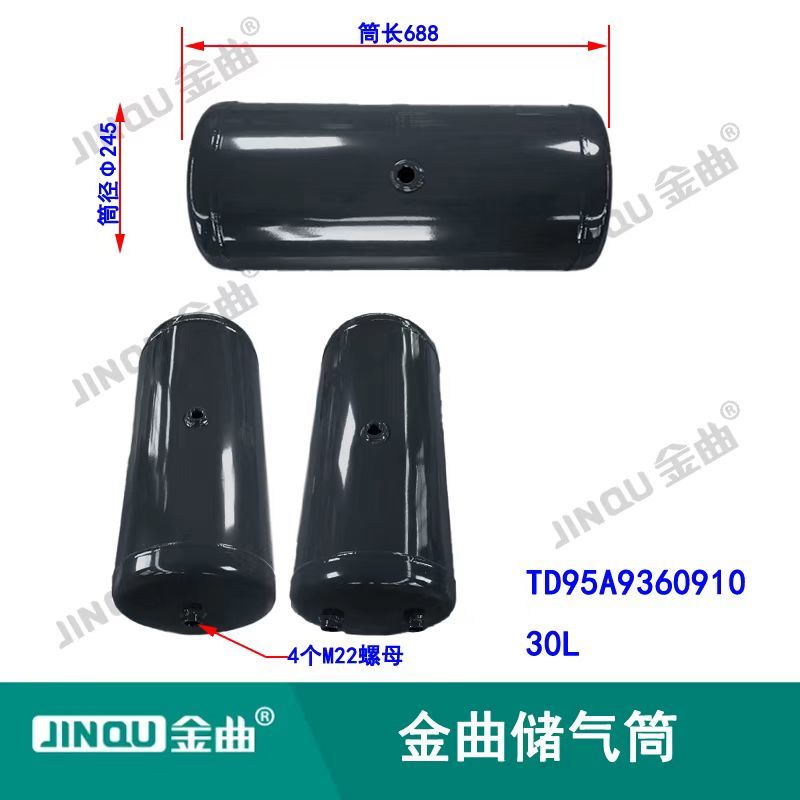
TD95A9360910-30 - Iron Gas Cylinder
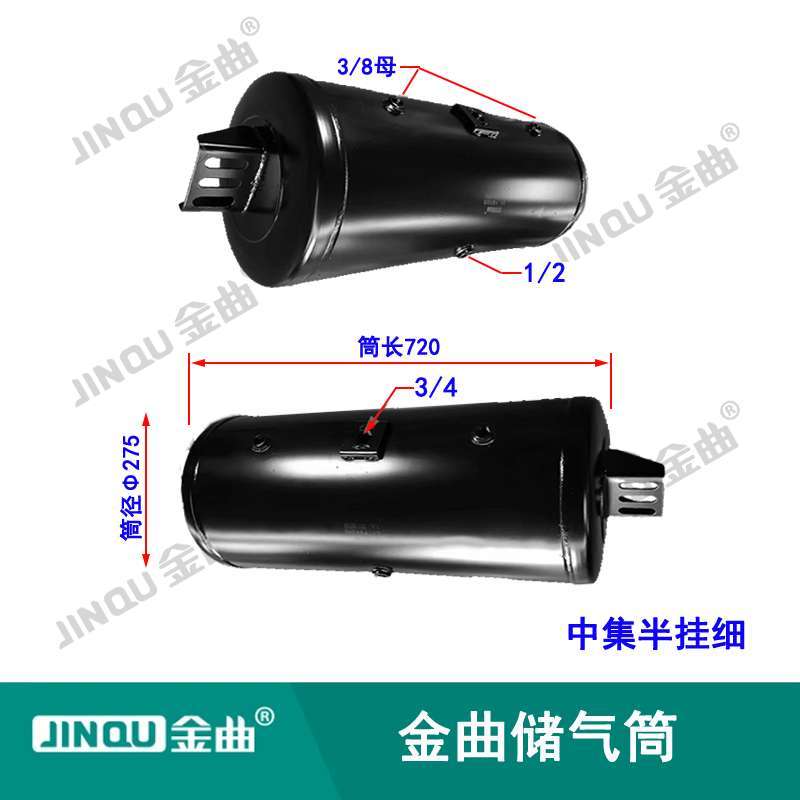
The functions, uses, and applications of the TD95A9360910-30 iron air receiver tank are as follows: **Functions:** - **Energy Storage:** The tank stores compressed air pumped by the air compressor, meeting the high-demand air requirements of critical systems such as car brakes and horns. Often, the air volume produced by the compressor alone is insufficient, making energy storage via the receiver tank essential. - **Filtration:** Impurities in compressed air—such as dust, water molecules, and even oil that may enter due to compressor malfunctions—gradually settle at the bottom of the tank because of their heavier weight, effectively filtering out these contaminants and reducing wear on vehicle components. - **Pressure Stabilization:** The up-and-down movement of the air compressor’s piston causes fluctuations in the compressed air delivered to the vehicle’s pneumatic system. The receiver tank helps stabilize this airflow, ensuring a consistent output pressure for reliable operation. - **Cooling:** Compressed air generated by the air compressor tends to increase in temperature. The receiver tank plays a role in lowering this temperature, improving gas storage efficiency while also aiding in the separation and removal of moisture. **Uses and Applications:** - **Automotive Industry:** Primarily used to store compressed air, providing a reliable power source for various automotive systems, including brake systems, pneumatic seat adjustments, and air-powered doors and windows. For instance, commercial vehicles like trucks and buses rely on the receiver tank to maintain stable air pressure in their pneumatic braking systems, ensuring safe and dependable braking performance. - **Industrial Sector:** In industrial equipment that depends on compressed air as an energy source, the receiver tank serves to store and regulate compressed air supply. It helps manage peak air consumption demands, ensuring a steady and uninterrupted flow of air to pneumatic tools, valve controls, and other air-driven machinery.
< 1234...18 >