All
  • All
  • Product Management

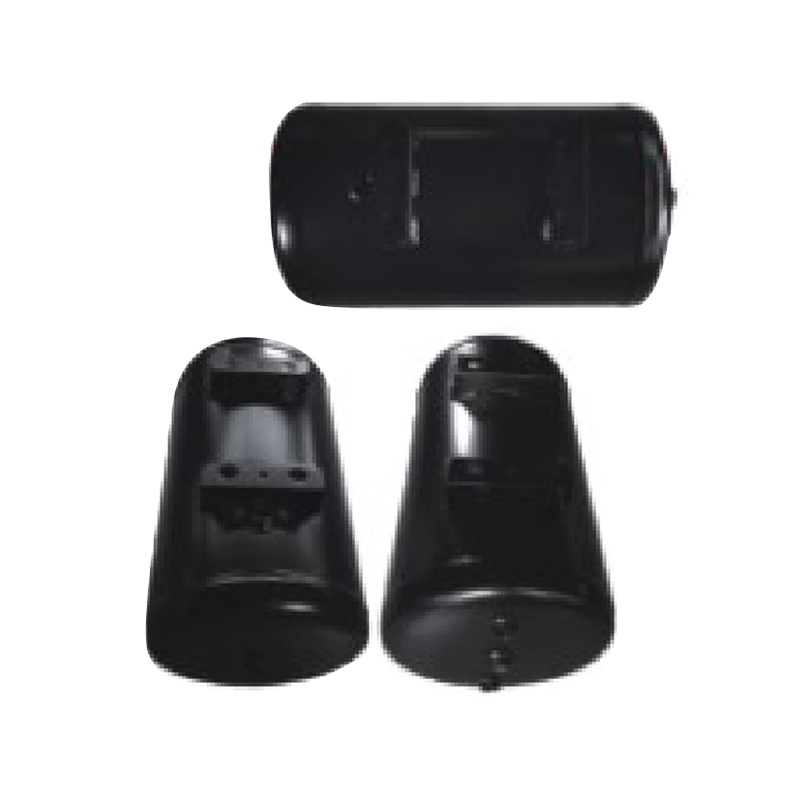
0201AA0 Aluminum Alloy Gas Cylinder

Aluminum alloy gas cylinders are gas storage devices whose material thickness is determined based on the rated working pressure and volume, primarily used for storing high-pressure gases.

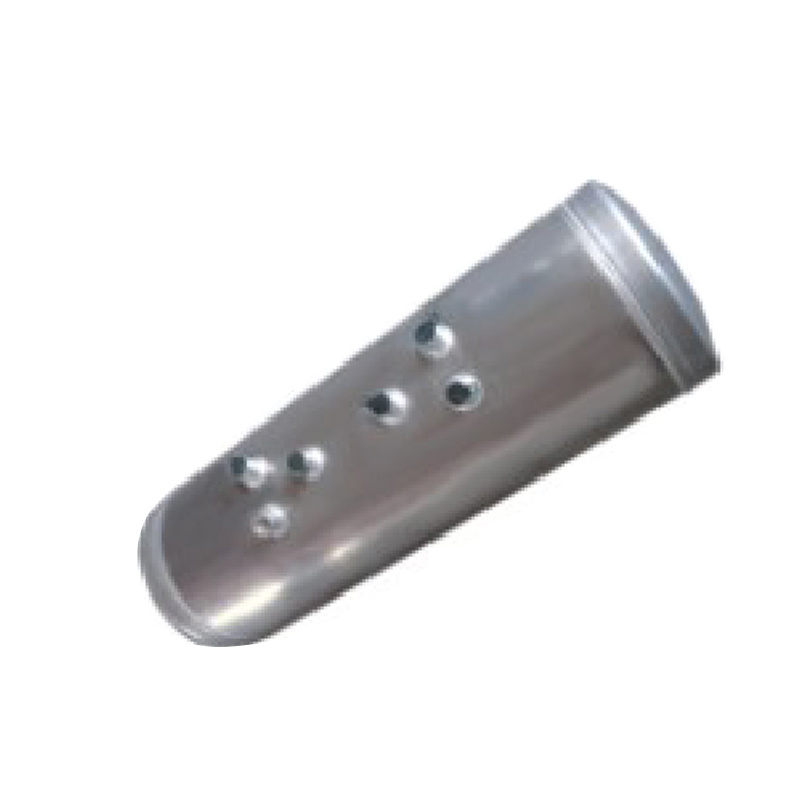
Small Tianlong Aluminum Alloy Gas Cylinder

Compared to traditional iron gas cylinders, aluminum alloy gas cylinders are significantly lighter in weight, making them much more convenient to handle during transportation and installation.

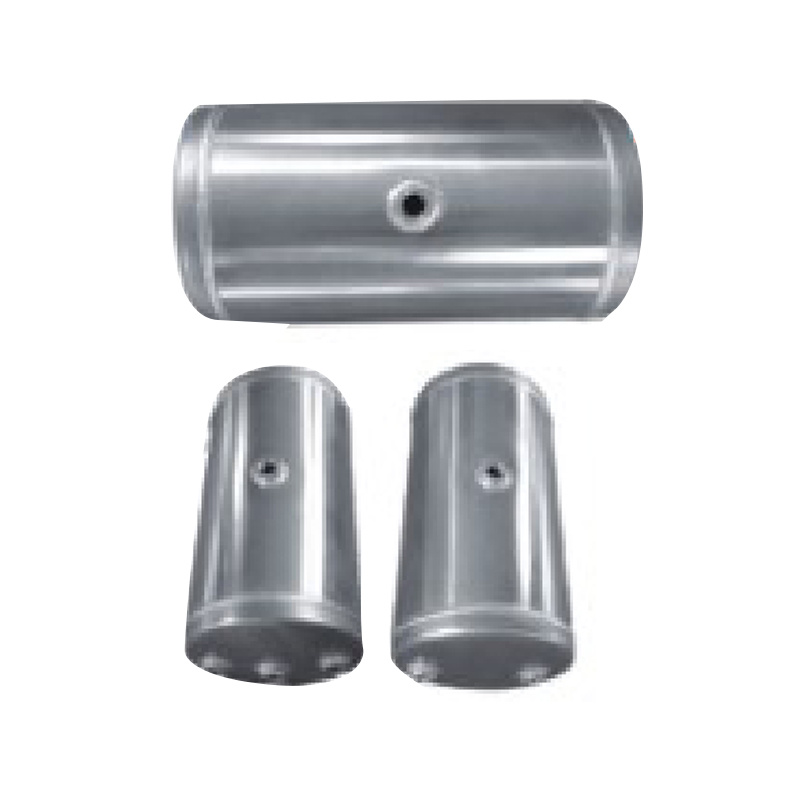
3513010-DY799 Aluminum Alloy Gas Storage Cylinder

Aluminum alloy air reservoirs are critical components in automotive braking systems, storing compressed air generated by the air compressor to supply power to systems such as braking and the horn.

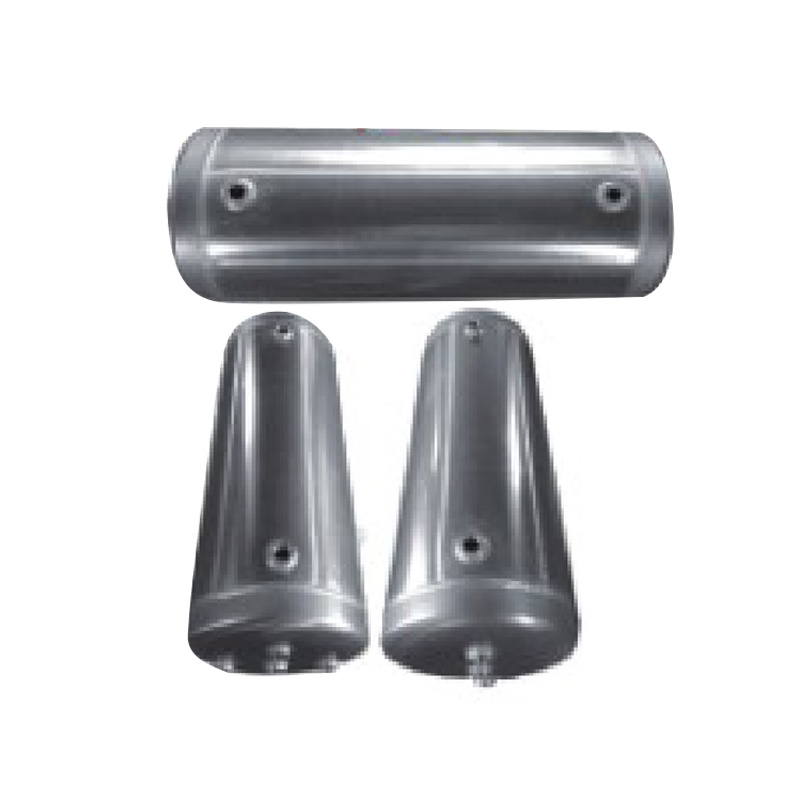
FAW Series 9803-600 Dual-Aluminum Alloy Gas Cylinder

Aluminum alloy gas cylinders are also used in refrigerated trucks, providing a stable gaseous environment for the transportation and preservation of frozen goods.

FAW Series 151 Small - 10 Holes

Iron materials have high strength and toughness

Silencer for Howo 13 Series WG9727540001

Muffler for HOWO 13‑Series, Part No. WG9727540001: The WG9727540001 muffler assembly for China National Heavy Duty Truck’s HOWO series trucks features an efficient noise‑reduction and durability‑focused design, making it standard equipment on China V and China VI‑compliant models. I. Technical Parameters and Structural Optimization The WG9727540001 muffler employs a double‑layer stainless steel composite structure: the outer layer is made of 304 stainless steel, while the inner layer consists of aluminum‑coated steel sheet, seamlessly joined by laser welding. Inside, three stages of noise reduction are implemented: a honeycomb ceramic catalytic carrier lowers exhaust temperature and breaks down harmful gases; porous sound‑absorbing cotton attenuates mid‑ to high‑frequency noise; and an expansion chamber design eliminates low‑frequency noise. Measured results show that it reduces exhaust noise from 110 dB to below 78 dB in HOWO T7H, A7, and other models, meeting the GB 1495‑2002 standard. The muffler shell is 2.5 mm thick, capable of withstanding temperatures up to 600°C, and its internal catalytic carrier is coated with a palladium‑rhodium alloy, improving sulfur poisoning resistance by 40%. For the HOWO 13‑series vehicles, the backpressure design has been optimized to keep exhaust backpressure within 3.2 kPa while achieving effective noise reduction, thus preventing power loss. II. Market Compatibility and Vehicle Coverage The WG9727540001 muffler assembly is primarily compatible with China National Heavy Duty Truck’s HOWO series diesel vehicles compliant with China V and China VI emission standards, including: - HOWO T7H 6×4 tractor (MC11/MC13 engines) - HOWO A7 8×4 dump truck (D10.38 engine) - HOWO TX7 4×2 cargo truck (WP10H engine) - HOWO N7G concrete mixer (MC07 engine) According to data from CNHTC Parts Network as of May 2026, this muffler can replace older models such as WG9725540010 and is cross‑model compatible. Some dealers offer a “muffler assembly + decorative cover” package; the cover is made of carbon fiber, reducing weight by 35%, and is suitable for high‑end aftermarket modifications on HOWO MT13 China VI‑compliant vehicles.

460-gallon fuel tank

Fuel Tank - 37.5-500 kVA - 460 Function: If it’s a hydraulic oil tank, its primary role is to store hydraulic oil, providing a continuous and stable supply of fluid to the vehicle’s hydraulic system, ensuring proper operation. At the same time, it also helps dissipate heat, settle impurities, and separate air bubbles from the oil—functions that enhance the efficiency and reliability of the hydraulic system while extending the service life of hydraulic components. Applications: This type of tank may be used in the hydraulic systems of large commercial vehicles, construction machinery, and other heavy-duty equipment, supplying hydraulic power to systems such as steering, braking, and suspension. For instance, in the hydraulic power steering systems of certain heavy-duty trucks, the oil tank provides hydraulic fluid to the steering assist pump, enabling drivers to maneuver the steering wheel with ease. Usage: In the automotive industry, these tanks might find application in high-end or specialized vehicles, such as large buses or off-road recreational vehicles, where the hydraulic systems require substantial oil capacity and elevated operating pressures to maintain optimal performance. Additionally, similar-sized tanks could also be employed in industrial vehicles and specialized mechanical equipment designed for demanding tasks.

Fuel tank 590

Fuel Tank – 167-KVA-590 I. Core Functions 1. Fuel Storage: This is the fundamental function of the fuel tank. Its capacity varies depending on the vehicle model, directly determining the vehicle’s cruising range. 2. Stable Fuel Supply: Equipped with either an internal or external fuel pump, the tank filters the fuel and delivers it continuously and reliably to the engine’s combustion chamber, ensuring adequate fuel supply under various operating conditions—such as idling, acceleration, and high-speed driving. 3. Protective and Auxiliary Features: - Heat Dissipation: The tank’s outer casing and ventilation system help dissipate heat generated during fuel circulation, preventing excessive oil temperatures that could impair fuel performance. - Sediment Filtration: Some tanks feature a sediment collection area at the bottom, allowing impurities like dust and moisture to settle, thereby reducing wear on the fuel pump and injectors. - Leak and Explosion Protection: Constructed from oil-resistant and corrosion-proof materials (such as engineering plastics or steel plates), certain models are also fitted with explosion-proof valves and wave-damping baffles to minimize fuel movement, enhancing overall operational stability.

Fukang-DOC Component

The Fokang-DOC component is the core element of the Fokang series diesel engine exhaust aftertreatment system, playing a crucial role in the following ways: At its core, the Fokang-DOC component serves as a key link in purifying exhaust gases from China VI diesel engines by facilitating catalytic oxidation, temperature regulation, and NOx conversion. Its synergistic operation with the DPF and SCR systems not only meets stringent emission standards but also helps reduce operational costs through optimized regeneration strategies. For users, ensuring the long-term, efficient performance of the DOC requires using low-sulfur fuel correctly and regularly inspecting the aftertreatment system. Additionally, the DOC component supports NO-to-NO₂ conversion, complementing the application scenarios of SCR systems. The Fokang-DOC component is widely employed in diesel engines designed to comply with rigorous emission standards such as China VI and Euro VI, including models like the Fokang 2.8F135B and the 3.8 Hongxing. These engines utilize an advanced "DOC + DPF + SCR + ASC" aftertreatment technology chain, enabling coordinated control of particulate matter (PM), nitrogen oxides (NOx), carbon monoxide (CO), and hydrocarbons (HC). In commercial vehicles, such as heavy-duty trucks from brands like Ouman, the DOC works seamlessly with DPF and SCR systems to ensure that exhaust emissions meet regulatory standards during long-haul transportation. For non-road machinery applications—such as the Fokang X12 construction engine—the DOC combined with DPF forms an effective aftertreatment solution tailored to the emission requirements of off-road mobile equipment.

Sharp Power - DOC Component

The DOC (Diesel Oxidation Catalyst) component catalytic muffler is the core component of diesel vehicle exhaust treatment systems. Its functions, applications, and uses are as follows: **Primary Functions:** - By utilizing an internally coated catalyst—such as vanadium pentoxide (V₂O₅)—the DOC converts harmful pollutants in diesel exhaust, including carbon monoxide (CO), hydrocarbons (HC), and nitrogen oxides (NOx), into harmless substances like carbon dioxide (CO₂), nitrogen gas (N₂), and water (H₂O). - Combined with the muffler’s structural design—featuring components like porous tubes, baffles, and expansion chambers—the DOC reduces exhaust noise through sound wave reflection, interference, and energy absorption by acoustic materials such as glass fiber, thereby enhancing driving comfort. **Primary Applications:** - Designed to meet China IV emission standards and beyond, the DOC significantly lowers pollutant levels in diesel vehicle exhaust, helping vehicles pass environmental inspections with ease. - It optimizes exhaust backpressure, minimizing engine power loss. - By purifying exhaust gases, the DOC also mitigates the corrosive effects of high-temperature, harmful emissions on both the engine and exhaust system, ultimately extending the lifespan of critical components. **Application Scenarios:** - **Heavy-duty trucks and buses:** Ideal for handling high-volume exhaust emissions while meeting stringent environmental requirements for long-haul transportation. - **Light commercial vehicles:** Such as urban logistics trucks, where balancing performance with compliance to emission regulations is crucial. - **Non-road machinery:** Including construction equipment and agricultural machines, designed to tackle challenging operating conditions and ensure effective exhaust treatment. **Technical Advantages:** - Employs a cocoon-shaped cordierite honeycomb ceramic substrate, dramatically increasing the catalyst’s surface area and boosting reaction efficiency. - Features a dual-catalyst design—such as an SCR system—to achieve staged purification, ensuring superior NOx conversion rates. - The urea injection system works synergistically with a gas-liquid mixer, enabling uniform dispersion of ammonia throughout the exhaust stream, thereby enhancing SCR reaction efficiency. - Integrates catalytic and muffling functions into a single compact unit, making it easier to install even in vehicles with limited space.

< 1234...19 >