Jinqu specializes in producing mufflers, SCR exhaust gas aftertreatment systems, and air reservoirs

Product Series
Contact Us
E-mail:
Phone/WeChat:
Address:
Hebei Hejian Economic Development Zone Migezhuang Industrial Park Huayang Street and Liumiao Road intersection 20 meters west
Product Center
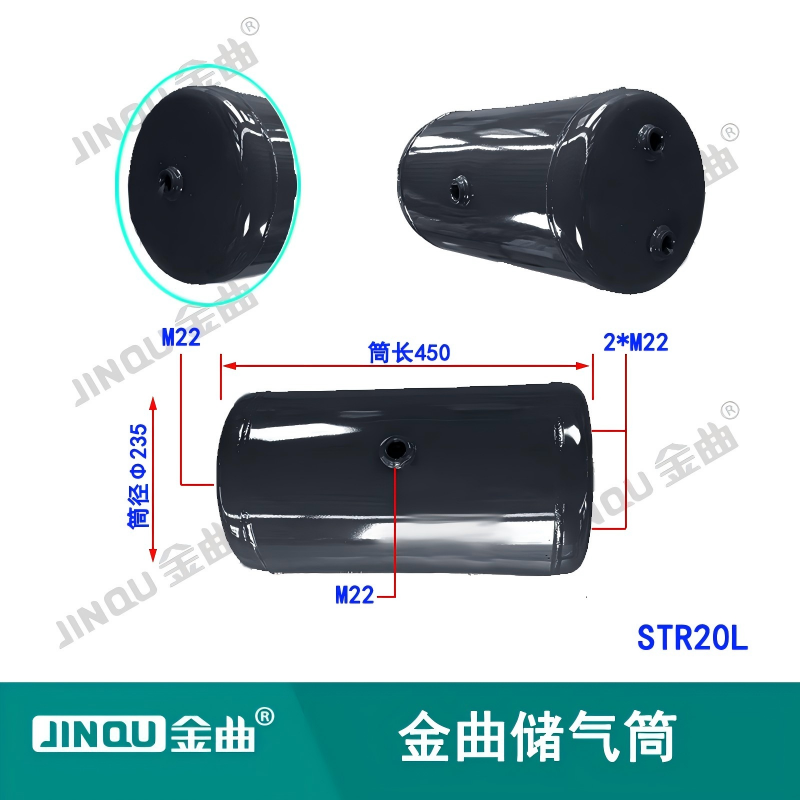
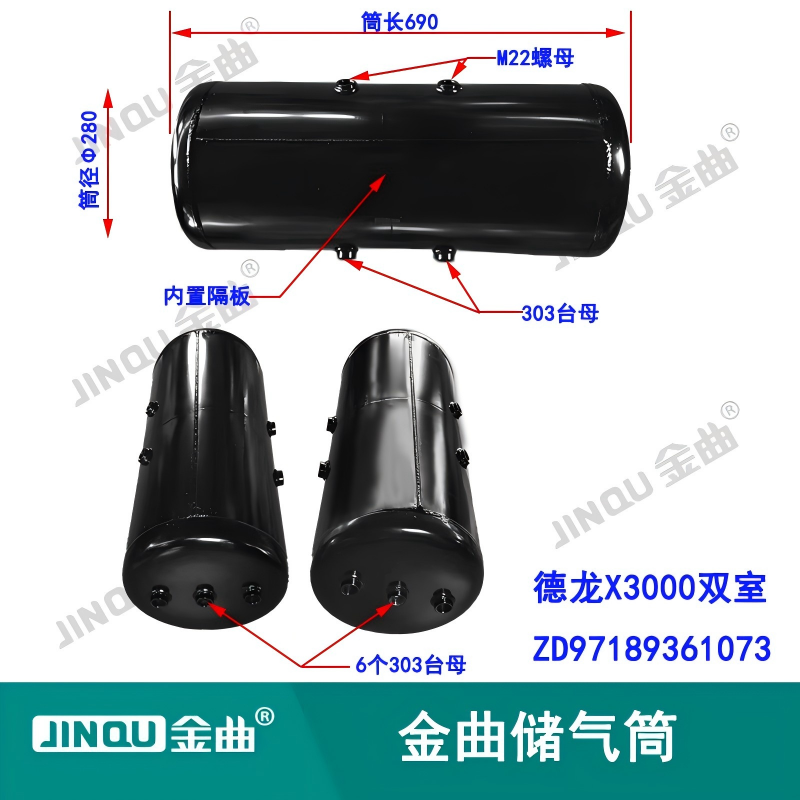
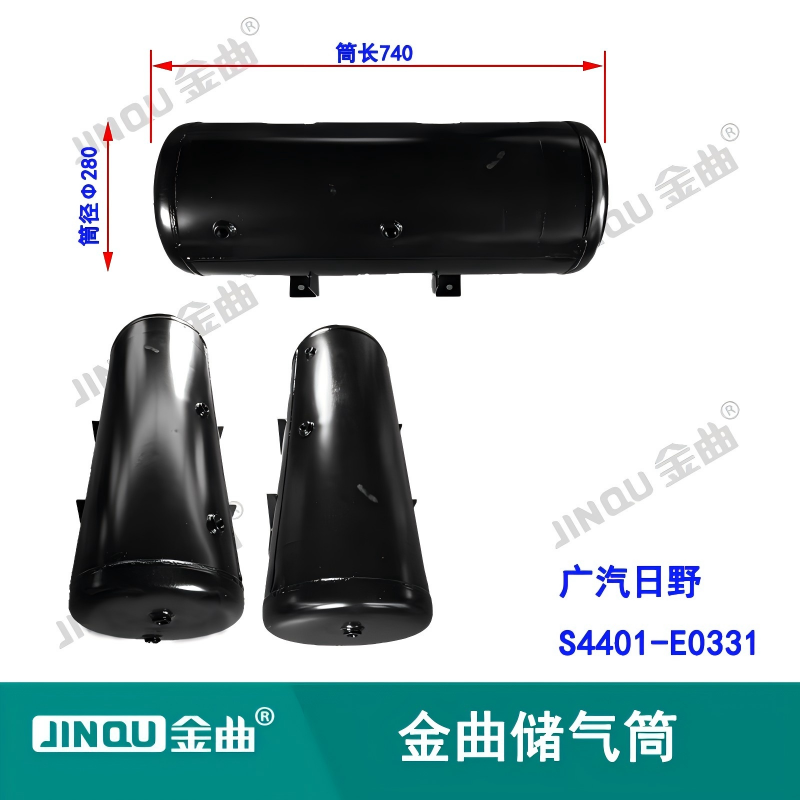
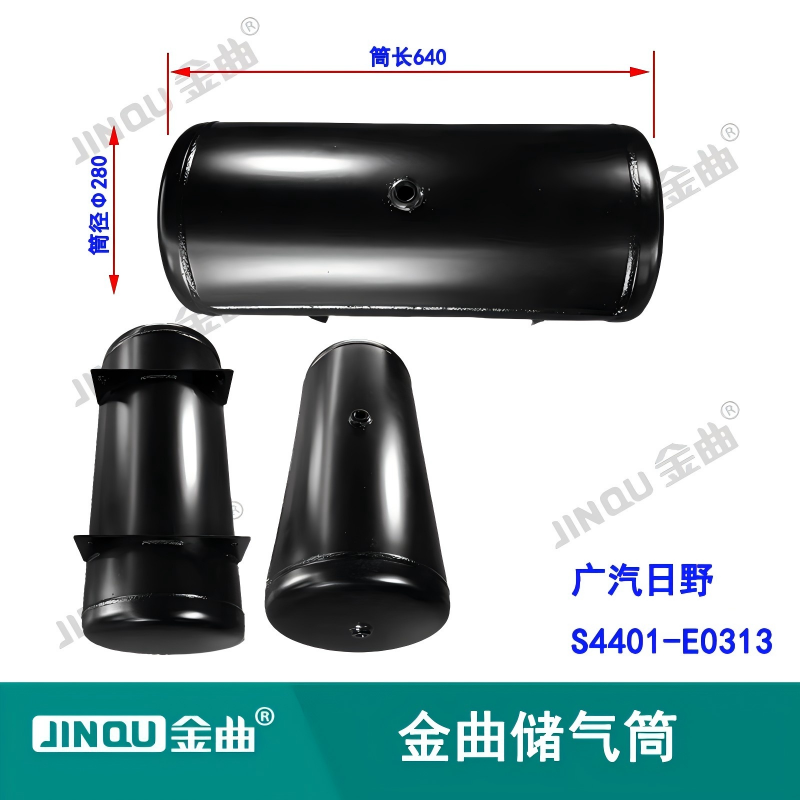
GAC Hino - E0331 Steel Gas Cylinder
The GAC Hino S4401-E0331 air reservoir, serving as a gas storage device in the vehicle's braking system, plays several key roles:
- **Energy Storage**: Components like truck brakes and horns rely on compressed air. However, the air volume pumped instantly by the air compressor is often insufficient. The reservoir stores the compressed air produced by the compressor, ensuring a steady supply when needed to keep these components functioning properly.
- **Filtration**: The air drawn into the reservoir from the compressor contains impurities such as dust, water vapor, and oil. As the air briefly pauses in the reservoir, heavier contaminants settle at the bottom, effectively filtering out these particles and protecting the vehicle’s pneumatic system from damage.
- **Pressure Stabilization**: The reciprocating motion of the air compressor’s piston causes fluctuations in the pressure of the compressed air delivered to the vehicle’s air lines. By temporarily holding the unstable air, the reservoir smooths out these pressure variations, delivering consistent, reliable air pressure essential for the proper operation of systems like the braking mechanism.
- **Cooling**: When ambient air is compressed by the air compressor, it heats up significantly. This increase in temperature reduces air density, limiting storage capacity and making it harder for moisture to condense. The reservoir helps cool the compressed air back to an optimal temperature, ensuring efficient storage and preventing potential issues caused by overheated air.
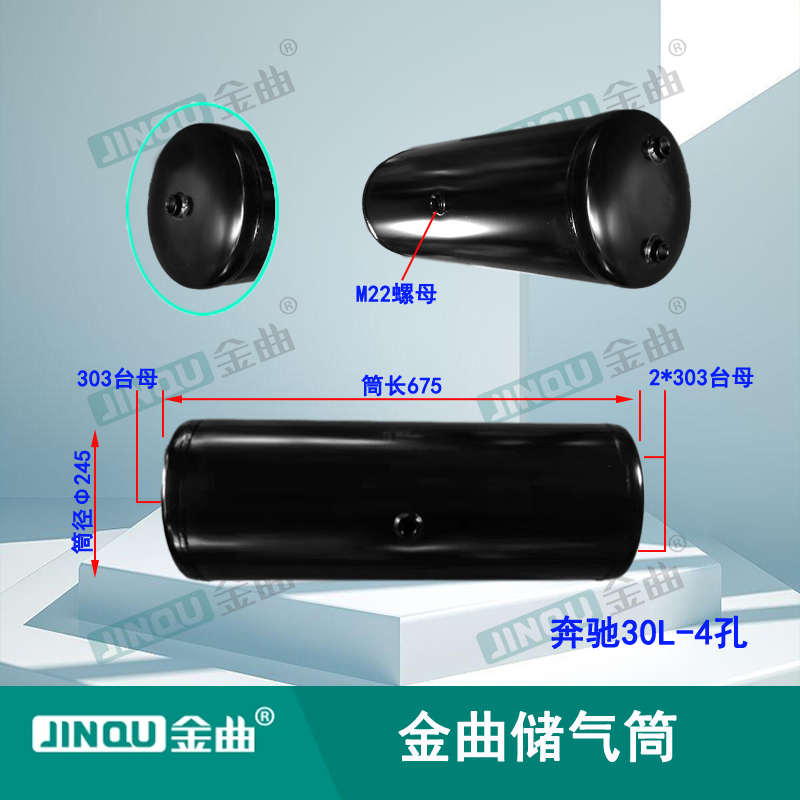
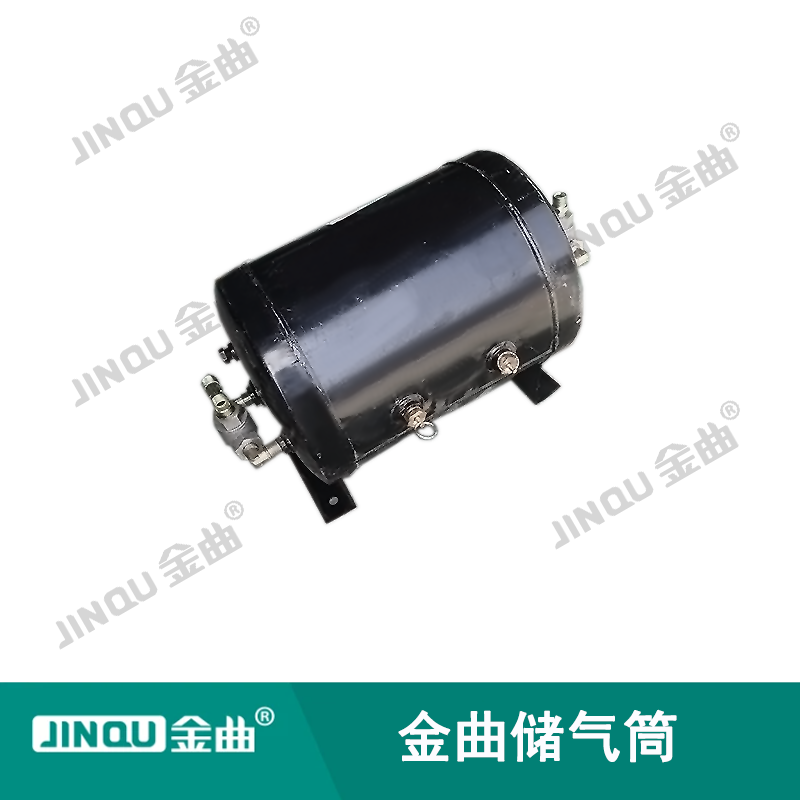
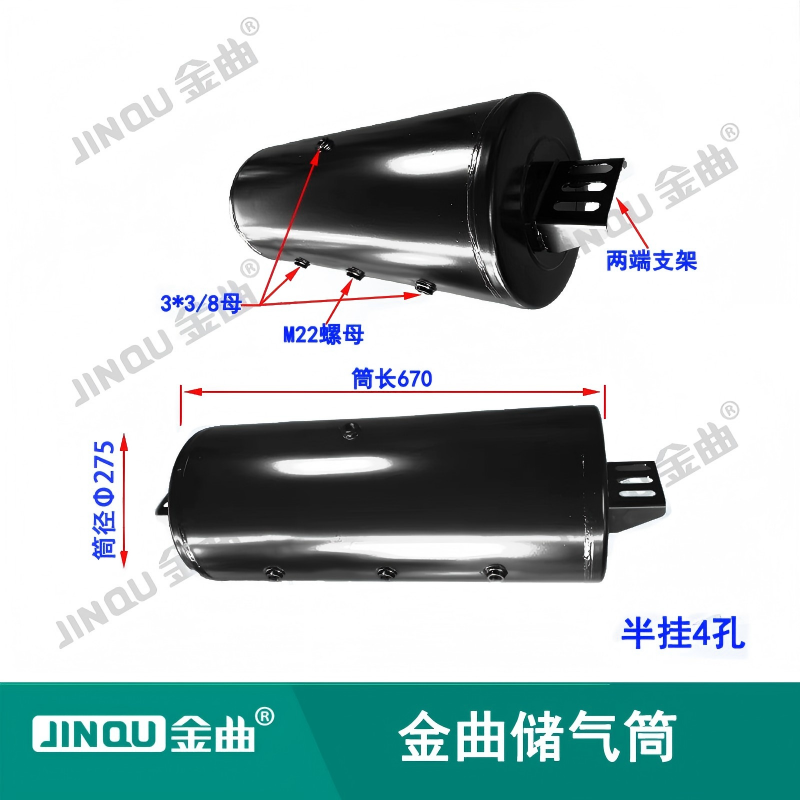
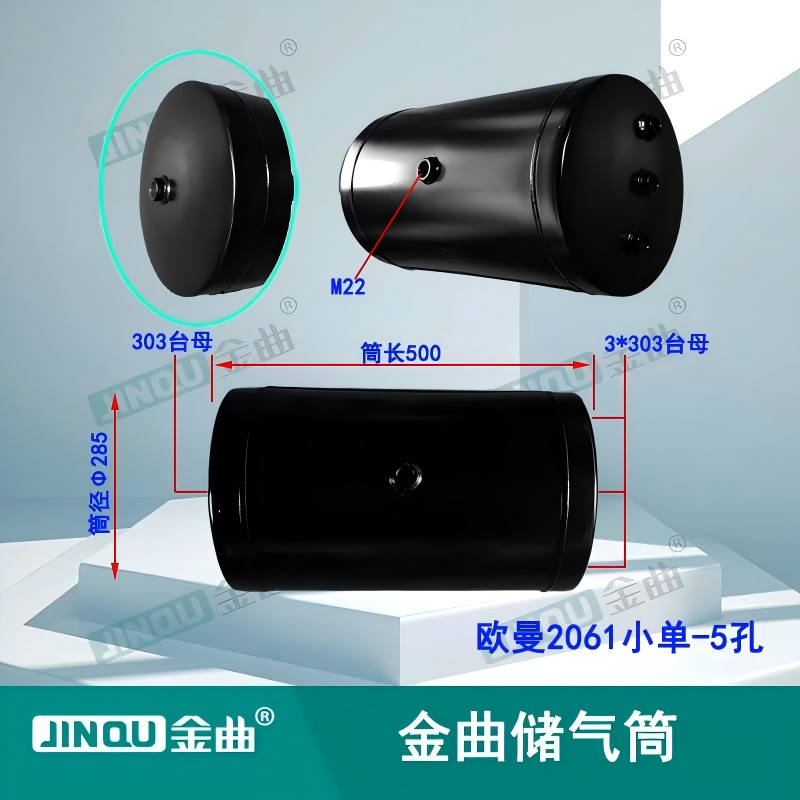
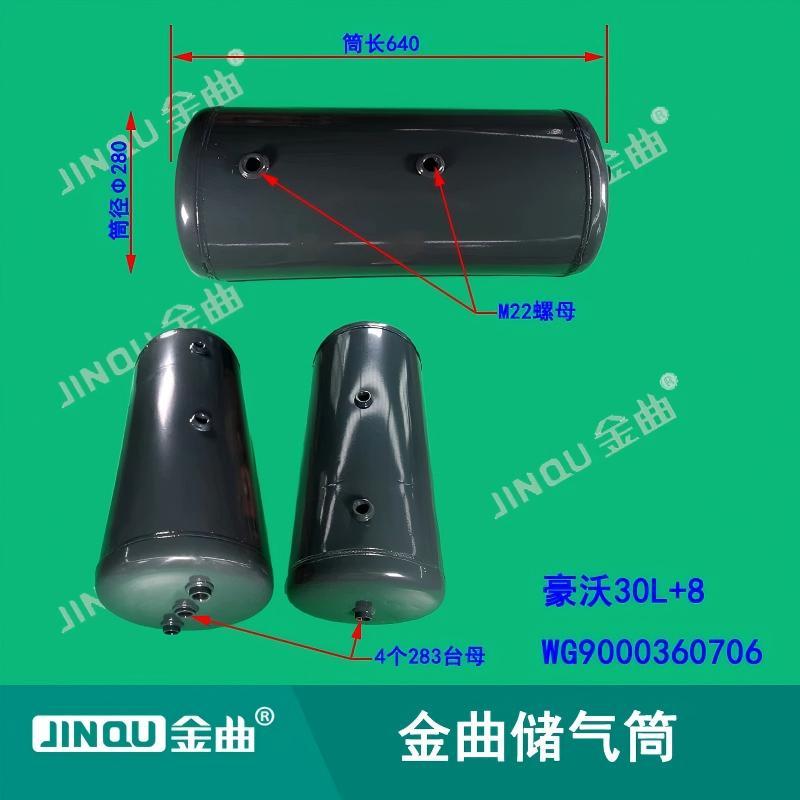

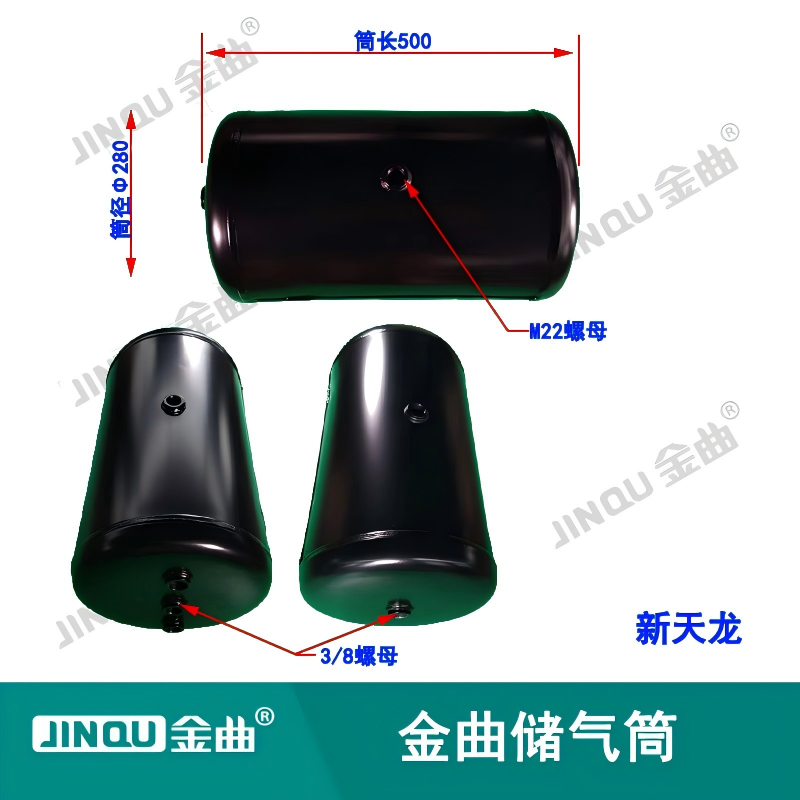


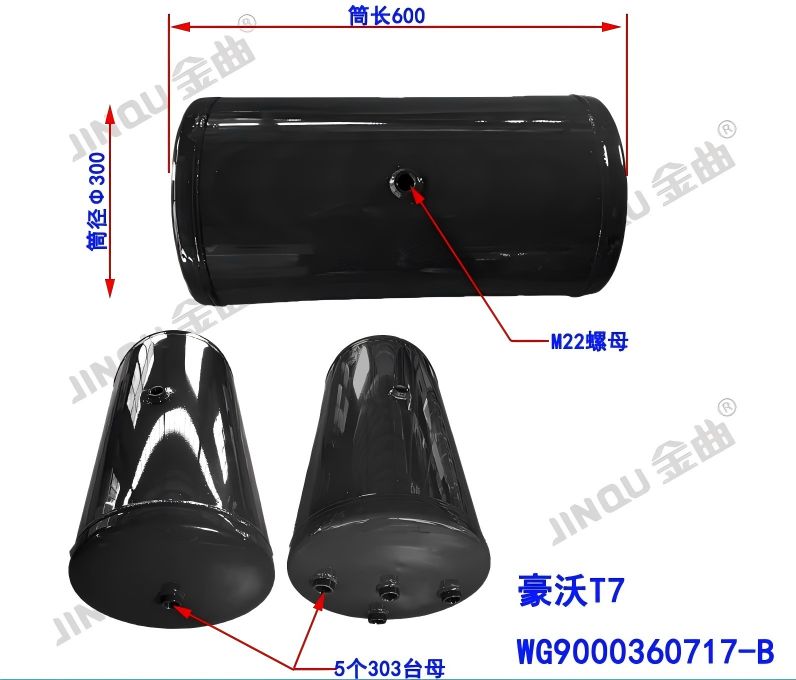
The core functions of the Howo T7 include:
- Storing compressed air: Acting as a "gas reservoir" for the pneumatic control system, it stores compressed air that has been processed by the air compressor and dryer. This ensures a continuous supply of air to critical systems such as the braking system (including service and parking brakes), clutch assist mechanisms, and air horns, thereby maintaining the reliable operation of these essential components.
- Ensuring braking safety: During braking, the compressed air stored in the air tank is delivered via pipelines to the brake chambers, activating the braking components to slow down or bring the vehicle to a stop. Similarly, releasing the parking brake also depends on the air pressure provided by the tank—making it a cornerstone of the braking system's dependable performance.
- Stabilizing air pressure output: By smoothing out fluctuations in air pressure generated during the operation of the air compressor, the tank helps deliver a more consistent and stable airflow to all pneumatic control components, minimizing the risk of damage caused by sudden pressure changes in the system or its parts.
- Additional features from the use of iron material:
- High durability: Iron boasts superior strength, offering excellent resistance to collisions and deformation. This makes it well-suited to withstand vibrations and impacts encountered in challenging road conditions—particularly beneficial in heavy-load scenarios or harsh environments where external forces could easily compromise other materials.
- Moderate cost: Compared to aluminum alloy air tanks, iron tanks are more affordable, allowing manufacturers to maintain essential functionality while keeping overall vehicle production costs under control.


Phone/WeChat:+8615033366555 8615383773971 8613832779997
Office telephone:+8615033366555 Whatsapp:8618833759108
E-mail:sales02@jinquqipei.com


Message consultation
Note: Please leave your contact information and our professionals will contact you as soon as possible!